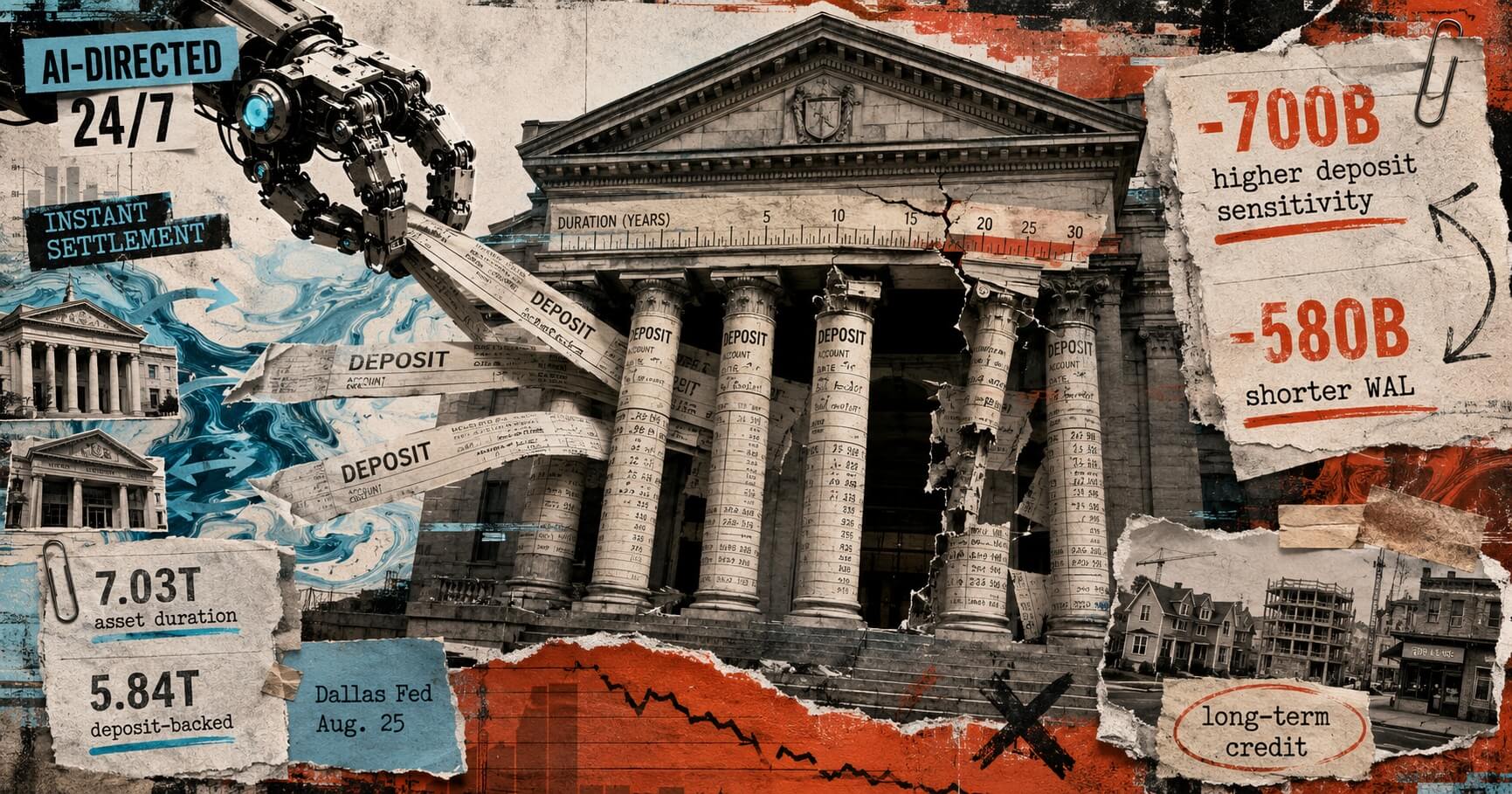
Robert Kiyosaki’s Bold Prediction for 2026‑27
Renowned finance author and educator Robert Kiyosaki has warned that a severe market downturn could hit investors between 2026 and 2027. In a recent video interview, he argued that the next wave of volatility will be profound enough to reshape portfolio allocations worldwide. The prediction comes at a time when central banks are still grappling with post‑pandemic inflation, and many market participants are already questioning the sustainability of current asset valuations.
Why the 2026 Market Crash Could Be Different
Historical data shows that not all crashes are created equal. The 1987 Black Monday collapse was driven by program trading, while the 2008 crisis stemmed from a housing bubble and credit default swaps. Kiyosaki believes the upcoming dip will blend multiple stressors: rising interest rates, geopolitical tensions, and a potential slowdown in global supply chains. Will investors be ready to act when fear spikes? According to a Bloomberg analysis, equity market volatility (VIX) has averaged 18% over the past decade, but it spiked above 40% during the 2020 COVID‑19 shock. If a similar surge occurs in 2026, the opportunity to acquire assets at deep discounts could be significant.
Lessons from Past Downturns
Kiyosaki points to his own track record as evidence that preparation pays off. He cites profitable moves during the crashes of 1987, 2000, 2008, 2015, 2019, and 2022. In each case, he emphasized two core principles: keep cash on hand and focus on buying undervalued assets rather than fleeing the market. Below is a quick snapshot of his reported returns:
- 1987: 30% gain on distressed real estate.
- 2000: 45% upside from technology stocks bought at the dot‑com trough.
- 2008: 60% profit by purchasing gold and REITs.
- 2015: 25% return on emerging‑market bonds.
- 2019: 35% earnings from dividend‑yielding equities.
- 2022: 40% increase through cryptocurrency positions.
These figures illustrate a pattern: capital reserves enable investors to seize bargains when panic drives prices down.
How to Position Capital Before the Crash
Preparing for a potential 2026 market crash does not mean abandoning all growth assets. Instead, Kiyosaki advises a balanced approach that blends liquidity with strategic exposure. Here are three steps he recommends:
- Maintain a cash buffer: Aim for 10‑20% of your portfolio in readily accessible funds. This cushion allows you to act quickly when valuations dip.
- Identify undervalued sectors: Look for industries that historically rebound strongly, such as consumer staples, utilities, and precious metals.
- Use alternative assets: Consider allocating a portion to real estate, private equity, or even crypto, which can provide outsized returns during market stress.
By following these guidelines, investors can shift from a defensive stance to an opportunistic one, turning fear into a buying signal.
Expert Opinions on the Upcoming Volatility
Financial analysts are divided on the timing and severity of the next downturn. A senior economist at Goldman Sachs noted, "While macro‑economic indicators show signs of tightening, the market’s resilience over the past two years suggests a gradual correction rather than a sudden crash." Conversely, a hedge‑fund manager at Bridgewater Associates warned, "Historical cycles indicate that after a prolonged bull run, a correction of 15‑20% is almost inevitable, and the 2026‑27 window aligns with previous peak‑to‑trough intervals." These contrasting views underscore the importance of staying vigilant and adaptable.
How to Navigate the 2026 Market Crash
For investors who decide to act on Kiyosaki’s forecast, the key is to stay disciplined. Keep an eye on leading indicators such as the yield curve inversion, corporate earnings forecasts, and consumer confidence indexes. If these metrics begin to deteriorate, it may be time to deploy the cash reserve you have set aside. Remember, the goal is not to time the market perfectly but to be prepared when opportunities arise.
Conclusion: Turning Forecasts Into Action
Robert Kiyosaki’s prediction of a 2026 market crash serves as a reminder that volatility is an inherent part of investing. By preserving liquidity, targeting undervalued assets, and learning from past downturns, investors can position themselves to profit rather than panic. Whether the crash materializes exactly as forecast or not, the principle of being ready for market shifts remains timeless. Stay informed, keep a cash cushion, and be ready to act when the next dip presents a buying chance.