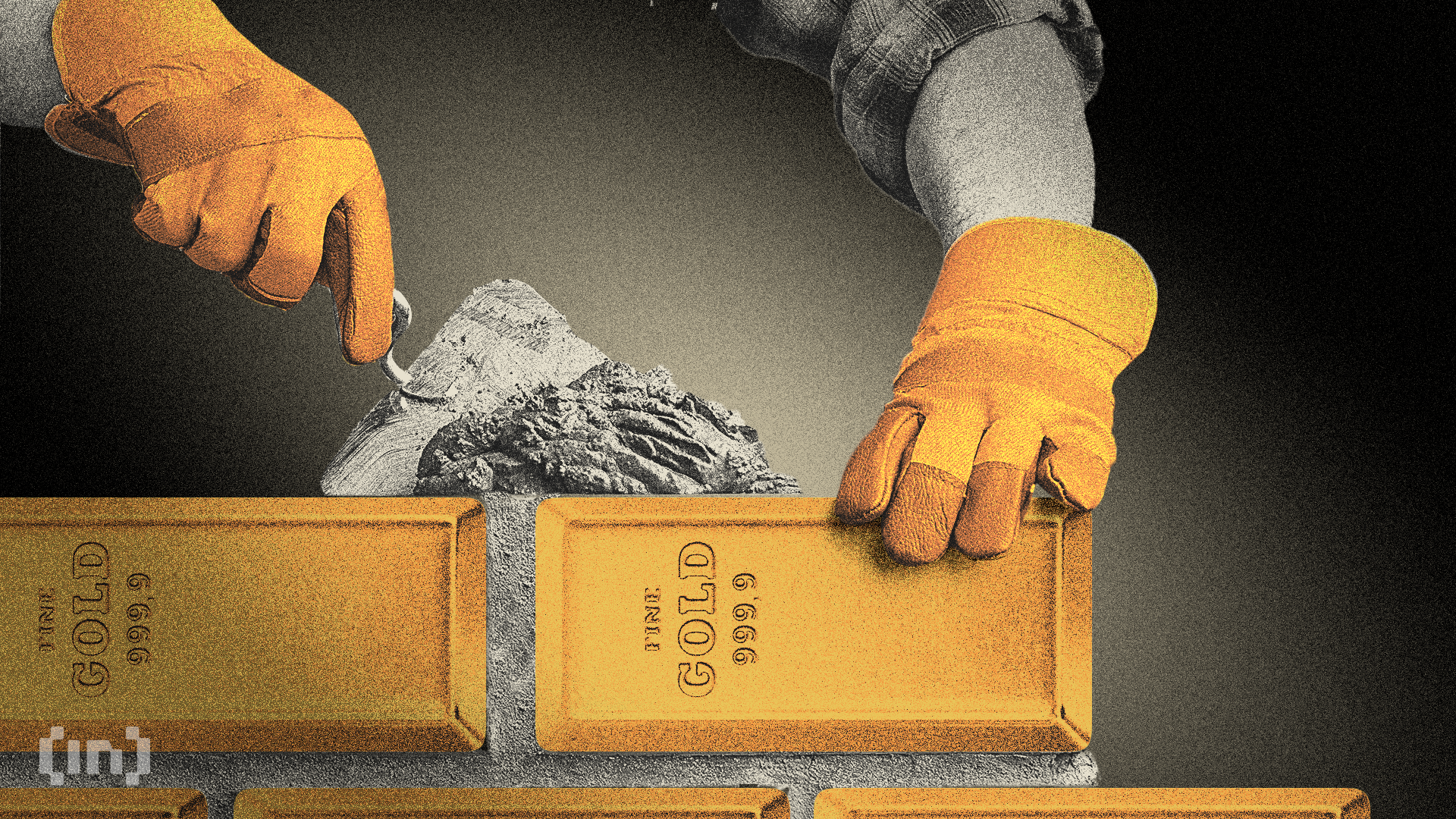
The AI sector's recent wealth surge is setting the stage for a new round of investment and innovation, one that could redraw market dynamics and reshape economic landscapes. The question is whether that money gets put to work in ways that create lasting value.
Where the windfall is likely to go
Companies flush with cash from the boom are expected to channel some of it into research and development, hiring, and acquisitions. Startups may find it easier to raise capital. The result could be a faster cycle of product development and commercialization.
That kind of reinvestment tends to compound. A firm that builds a better model attracts more customers, which brings in more revenue, which funds the next round of research. The cycle can snowball, pulling in talent and capital from outside the sector.
The risk of misallocation
But not all of that money will be spent wisely. Some investments will chase fads. Others will go to projects that never reach the market. The danger is that the wealth surge inflates valuations beyond what the underlying technology can deliver, setting up a correction.
When capital is cheap and plentiful, discipline often slips. Teams that might have been forced to prove their ideas now get funded on promises. That doesn't mean the whole sector is a bubble, but it does mean some of the enthusiasm will end in disappointment.
What a reshaped economy might look like
If the investment pays off, the AI sector could drive productivity gains across industries. New tools and services might emerge, changing how companies operate and how consumers interact with technology. That could alter the competitive balance between established players and newcomers.
The broader economic impact depends on how quickly those gains spread. AI that cuts costs in one sector could free up capital for use elsewhere. But the benefits may not be evenly distributed, and the transition could be bumpy for workers and firms that lag behind.
The next few months will show whether the surge translates into concrete projects or gets absorbed into balance sheets. Until then, the central question remains open: will this wealth become the foundation for a new era of growth, or will it evaporate as quickly as it appeared?