Alphabet will report its second-quarter 2026 earnings on July 22, with Wall Street zeroing in on the company's massive capital spending plans and how much money its AI bets are actually bringing in. The Google parent has guided for capital expenditures between $175 billion and $185 billion this year — a figure that has dominated investor conversations heading into the call.
The $175-185 billion question
That capex range is enormous, even for a company that routinely spends tens of billions on data centers, servers, and other infrastructure. The bulk of it is tied to building out capacity for AI workloads, including the Gemini model family and Google Cloud's AI services. Investors want to know whether that spending is on track, whether it's being dialed up or down, and — most importantly — whether it's starting to pay off.
Alphabet's cloud business has been a bright spot, but it still trails Amazon Web Services and Microsoft Azure in market share. The company is betting that its AI offerings, especially through Gemini, can help close that gap. The July 22 report will be the first real look at whether those bets are translating into revenue growth.
Gemini and Google Cloud in the spotlight
Google's Gemini AI model is central to the company's strategy. It powers everything from search enhancements to cloud APIs. On the earnings call, analysts will be pressing for details on how much of Google Cloud's growth is coming from AI services versus traditional cloud compute and storage. The company has said AI is a key driver, but investors want numbers.
Google Cloud revenue has been growing at a healthy clip, but profitability remains a question. The massive capex spend means depreciation costs are climbing, which could weigh on margins. The tension between investing for growth and showing discipline is the core story here.
What to watch on the call
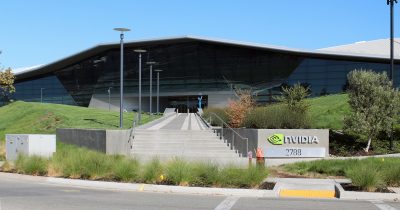
Beyond the headline numbers, expect questions about how Alphabet is managing the cost of training and running Gemini models. The company has been investing heavily in its own AI chips (TPUs) to reduce reliance on Nvidia, but those chips also require huge upfront spending. Any update on the efficiency of those chips or on partnerships with other AI companies will be closely watched.
Another key area is advertising revenue. Google's ad business has been resilient, but competition from Amazon and newer AI-powered search tools could be a factor. The call will also touch on regulatory pressures, though that's a longer-term concern.
The July 22 earnings release is set for after the bell, with the conference call at 4:30 p.m. Eastern. Investors will be listening for any changes to the full-year capex guidance and for specific metrics on AI revenue contribution.