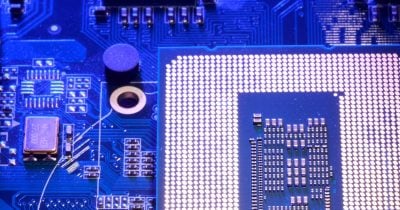
Asia is driving a global value rotation, a move that signals a potential shift in investment strategies and challenges the long-standing dominance of tech stocks. The rotation, which highlights the resilience of the financial sector, is unfolding against a backdrop of ongoing semiconductor issues.
Asia at the Forefront
The shift is not just a regional blip. Asia is at the front of a broader trend that could reshape how investors allocate capital worldwide. For months, growth stocks—particularly in technology—have powered market gains. Now, value stocks, which trade at lower prices relative to earnings or book value, are gaining ground.
This rotation signals a potential global shift. Investors are moving away from the tech-heavy growth playbook that dominated the last few years, and Asia is leading the charge. The question is whether other regions will follow.
Financials Show Resilience
Financials are emerging as a key beneficiary. Banks, insurers, and other financial firms are showing strength even as tech faces headwinds. That resilience is a central part of the rotation story. Investors are looking for sectors that can weather uncertainty, and financials are stepping up.
The sector's performance stands out because it's happening while tech struggles. It's a reminder that not all industries are equally exposed to the same pressures.
Chip Woes and Tech's Drag
The timing is notable. The rotation is occurring amid chip woes, with semiconductor supply issues continuing to disrupt production and weigh on tech earnings. For a sector that has powered market rallies for years, the chip problem is a reminder that even the most dominant industries can stumble.
These supply issues aren't new, but they're persistent. They've created a drag on tech valuations, making value stocks more attractive by comparison. That dynamic is helping to fuel the rotation.
The shift suggests that a diversified portfolio—one that includes value and financial stocks—might be better positioned than a tech-heavy one. But the rotation is still in its early stages, and its durability is an open question.
Investors will be watching whether the rotation holds as chip supply issues evolve. If semiconductor problems persist, tech could continue to lag, giving value stocks more room to run. If they ease, tech might regain its footing, and the rotation could stall. Either way, Asia's lead in this shift is a signal that global investors are paying attention.