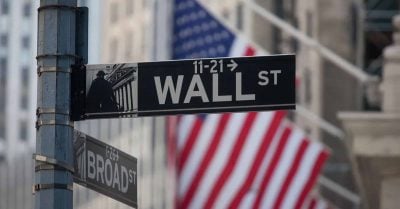
Asian markets are bracing for a downbeat open, with stocks set to fall across the region after a turbulent session on Wall Street. A fresh spike in tensions with Iran and lingering inflation fears are compounding the pressure, driving energy costs higher and rattling investor confidence.
Volatile US session sets the tone
The sell-off in US equities — marked by sharp swings in major indices — spilled into Asian trading hours. Traders are now pricing in a risk-off mood as the region prepares for what could be a broad-based decline. Japan’s Nikkei, South Korea’s Kospi, and Australia’s ASX 200 are all expected to open lower.
The trigger was a choppy session in New York, where a late-afternoon plunge erased earlier gains. That kind of volatility rarely stays contained on one continent. Asian markets, which often track US sentiment, are absorbing the shock this morning.
Iran tensions raise oil risk
Geopolitical strains with Iran have added a layer of uncertainty. While no new military escalation was reported overnight, the continued standoff is keeping investors on edge. The region is sensitive to any disruption in the Strait of Hormuz, through which a fifth of the world’s oil passes.
Fears of a supply squeeze have already pushed crude prices higher, and that’s feeding into inflation expectations. For Asian economies that are net importers of oil, higher energy costs mean thinner corporate margins and a heavier burden on consumers. The knock-on effect is showing up in risk premiums across the board.
Inflation fears deepen the sell-off
Investors are also wrestling with stubbornly high inflation data out of the US. The latest numbers pointed to prices staying hot, which strengthens the case for the Federal Reserve to keep rates elevated for longer. That’s a headwind for emerging markets and export-dependent Asian economies.
If the Fed tightens further, capital tends to flow out of Asian equities and into dollar-denominated assets. The inflation story isn’t new, but the market hasn’t fully discounted the possibility of another rate hike. The combination of geopolitical risk and monetary uncertainty is a heavy one for traders to stomach.
Some Asian central banks could face pressure to raise rates as well, adding to the drag on local stocks. The region’s recovery from the pandemic has been uneven, and a fresh bout of tightening could slow growth just as it was gaining traction.
What to watch in the session ahead
Market participants will be closely watching the opening print in Tokyo, which often sets the tone for the rest of Asia. China’s CSI 300 and Hong Kong’s Hang Seng are also expected to feel the heat, though mainland markets have sometimes shown resilience to external shocks.
Oil prices will stay in focus, as will any diplomatic moves on the Iran front. A sudden de-escalation could reverse part of the decline, but for now the mood is cautious. Traders are waiting for the first round of trading to see just how deep the sell-off runs.