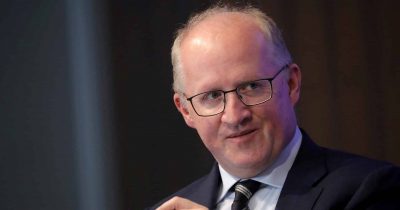
Britain's central bank is widely expected to leave its main interest rate unchanged at 3.75% when it announces its next policy decision, with Middle East tensions darkening the economic outlook and global liquidity still tight.
Why the Hold is Expected
The Bank of England has kept rates at the current level for several months as it tries to balance lingering inflation pressures against signs that the economy is cooling. Central banks around the world are also holding steady, keeping global liquidity constrained and delaying the broad easing that many investors had hoped for by now.
With the European economy already weak and demand from China slowing, the Bank’s rate-setters are wary of adding more drag. But they're not ready to cut either. The anticipated pivot to lower rates has been pushed back repeatedly — and the hold decision this month is the latest evidence that cheap money won't return soon.
Geopolitical Risks Weigh on the Outlook
The conflict in the Middle East is a major factor in the decision. Rising tensions in the region have rattled energy markets, pushed up shipping costs, and introduced a new layer of uncertainty into the global economy. For a central bank that prizes stability, the fog from that war makes it harder to signal any shift in policy.
The Bank’s own forecasts have been clouded by the geopolitical backdrop. Officials have noted that the risks are tilted to the downside for growth but to the upside for prices — a classic stagflationary mix. Holding rates steady gives the Monetary Policy Committee more time to see how events unfold before committing to a change.
Impact on Risk Assets and Borrowers
The continued tight monetary stance is weighing on risk assets. Stock markets have been choppy, and bond yields remain elevated as investors price in higher-for-longer rates. The constrained global liquidity — with the Fed, ECB, and Bank of Japan all in wait-and-see mode — means less money flowing into speculative bets.
For UK households and businesses, the hold means mortgage rates and corporate borrowing costs will stay where they are. The relief that many hoped for — a rate cut that would lower monthly payments — has been postponed yet again. Small businesses in particular are feeling the pinch, with access to credit already tight.
All eyes are now on the Bank’s forward guidance and any subtle shifts in language at the post-meeting press conference. Markets will be watching for hints about the timing of the first cut. The MPC's next decision is due in May, and traders are pricing in roughly a 50-50 chance of a quarter-point move by then. But with Middle East tensions still unresolved and global liquidity still squeezed, that timing could slip further.