The head of the Bank of France has warned that escalating Middle East tensions could trigger a shock in global oil markets, sending energy prices higher and threatening broader economic stability. The central bank chief said the region's conflicts pose a direct risk to oil supply, with potential ripple effects on inflation and growth that policymakers are now watching closely.
The warning from Paris
Speaking in Paris, the Bank of France governor pointed to the growing instability across the Middle East as a key vulnerability for energy markets. While he did not specify exact scenarios, he stressed that any disruption to oil flows from the region would quickly translate into price spikes, given the market's tight supply-demand balance. The warning comes as central banks globally struggle to contain inflation without tipping economies into recession. A new oil shock could force the European Central Bank and others to rethink their interest rate paths, complicating an already fragile recovery.
Why oil markets are on edge
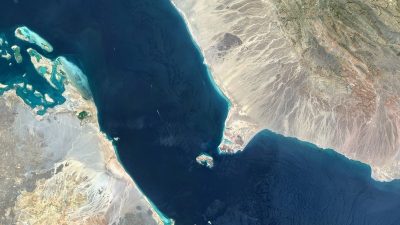
Oil prices have been volatile for months, but the Bank of France governor's statement adds a fresh note of urgency. The Middle East accounts for roughly a third of the world's crude output, and major shipping routes like the Strait of Hormuz remain vulnerable. Traders have already priced in some risk premium, but the governor suggested that a full-blown supply shock—whether from a military escalation or political sabotage—could push prices to levels not seen in years. That would ripple through energy bills, transport costs, and industrial production worldwide.
Broader economic fallout
The governor warned that the impact wouldn't stop at the pump. Higher oil prices would feed into inflation, eroding household purchasing power and squeezing corporate margins. For central banks, that means a tougher trade-off: raising rates to cool prices could choke growth, while holding steady risks letting inflation become entrenched. The Bank of France's head said these dynamics make it essential for governments and regulators to coordinate on energy security and monetary policy. He didn't offer a specific prescription, but the message was clear—the window to prepare is narrowing.
What comes next
Markets will now watch for any escalation in the Middle East that could turn the warning into reality. The Bank of France governor's remarks are likely to amplify calls for emergency oil stockpile releases or diplomatic de-escalation efforts. For now, the central bank is signaling that it's monitoring the situation closely, but the next move depends on events beyond its control.