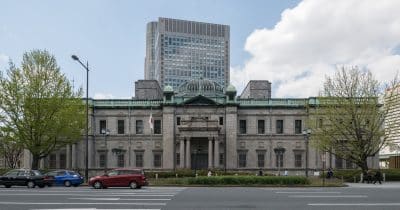
The Bank of Korea's May policy meeting was more divided than it appeared on the surface. Minutes released this week show two members of the monetary policy committee argued for an interest rate increase during the gathering, while the majority held rates steady.
Inside the Rate Debate
The minutes detail a direct push from at least two committee members who wanted to raise the benchmark rate in May. They didn't get their way — the board voted to keep rates unchanged — but their stance signals a growing internal faction worried about letting inflation run too long. The debate wasn't just a procedural skirmish. It lays groundwork for future decisions. If those two voices gain more support, a rate hike could come sooner than markets expect.
Committee members are weighing a balance that's familiar to central bankers globally: cool down prices without choking off growth. The minutes point to an active discussion about the cost of waiting too long versus moving too fast.
Why Two Members Wanted to Act
Specific arguments from the dissenting members aren't detailed in the summary provided, but the overall trajectory is clear. Their push for a May increase suggests they see inflation risks as more immediate than the majority does. A rate hike now could have slowed borrowing and spending, potentially easing price pressures earlier. The holdouts — the majority — apparently viewed the economy as not yet ready for tighter policy. That split is what makes the minutes noteworthy: it shows the committee isn't a monolith and the next decision could tip either way.
What a Future Hike Means
If the Bank of Korea does raise rates later this year, the effects would ripple through the economy. Businesses and households with variable-rate loans would see higher payments. That could slow consumer spending and corporate investment. On the other side, higher rates might attract foreign capital and support the won. For investors, the debate introduces uncertainty: bond yields could rise, stock valuations tied to low rates might adjust, and export-driven sectors would watch currency moves closely.
The minutes don't specify how close the committee actually is to a majority for a hike, but the internal pressure is now on the record. The bank's next scheduled policy meeting will show whether the two dissenters have gained allies or if the majority's patience holds.