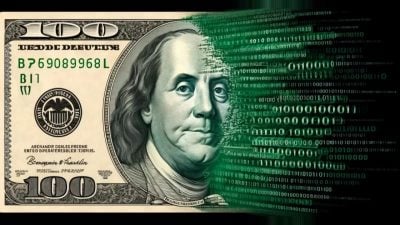
Bessent this week called for expanding the Federal Reserve's foreign lending facility, a move that could help stabilize global markets but also risks political backlash and could ripple into Treasury yields and crypto prices.
The proposal
Bessent wants the Fed to broaden its Foreign and International Monetary Authorities (FIMA) repo facility, which lets foreign central banks borrow U.S. dollars by posting Treasury securities as collateral. The facility was created in 2020 during the pandemic to ease dollar funding strains abroad. Expanding it would allow more institutions to tap dollar liquidity without having to sell Treasuries on the open market.
Stability vs. backlash
Proponents argue that a bigger facility would act as a backstop for global dollar funding markets, reducing the risk of sudden dislocations that can spill over into U.S. markets. But the idea is politically sensitive. Critics say it could be seen as bailing out foreign governments or propping up currencies that should adjust on their own. The timing isn't great — with inflation still a concern and the Fed under pressure to stay hawkish, any move that looks like easing foreign access to dollars could draw fire from lawmakers.
Treasury yields and crypto
If foreign central banks use the expanded facility instead of selling their Treasury holdings to raise dollars, that could reduce selling pressure on U.S. government bonds, potentially supporting yields. For crypto, the link is indirect but real. Easier global dollar liquidity tends to boost risk appetite across asset classes. Bitcoin and other digital assets have historically rallied when dollar funding conditions loosen. A more stable global financial system could also reduce the kind of stress that drives investors out of risky assets entirely.
Whether the Fed will act on Bessent's call is an open question. The central bank has been cautious about expanding its emergency tools in a non-crisis environment. Any decision would likely require a formal request from the Treasury and a vote by the Federal Open Market Committee.