Global bond yields have climbed to multi-decade highs while oil prices surge on Middle East tensions, a combination that threatens to raise borrowing costs and strain economies worldwide. The twin pressures come at a delicate moment, when many countries are still grappling with inflation and sluggish growth.
The pressure on borrowing costs
Higher bond yields mean governments, companies, and consumers pay more to borrow. That's a direct hit to anyone carrying debt, from a homeowner with a variable-rate mortgage to a corporation refinancing its bonds. Oil prices add to the pain by pushing up the cost of fuel, transport, and goods, feeding into inflation and forcing central banks to keep interest rates higher for longer.
Sectors that depend on cheap money are feeling the strain. Real estate, technology startups, and other industries that borrowed heavily during the low-rate era now face a harsher reality. Projects that made sense when money was nearly free are being shelved, and balance sheets are being reworked.
Why oil is climbing
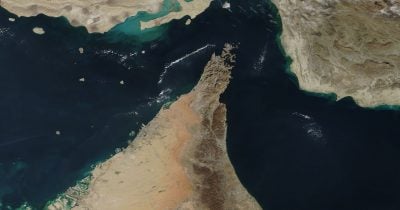
The surge in oil prices stems from heightened tensions in the Middle East, a region that supplies a significant share of the world's crude. Any disruption to supply, whether real or feared, sends prices upward. The market is jittery, and the risk premium is building into every barrel.
That's not just a problem for drivers at the pump. Expensive oil raises production costs across the board, from manufacturing to agriculture. It also complicates the inflation fight, because energy prices feed directly into consumer price indexes.
The combination of high yields and expensive oil is a classic drag on economic activity. When borrowing costs rise and energy bills climb, households have less to spend, and businesses have less to invest. The cumulative effect can be a slowdown in growth, or worse, a recession in some economies.
Emerging markets are especially vulnerable. They often borrow in dollars, so higher U.S. yields make their debt more expensive to service. At the same time, they import oil, so surging crude prices hit their trade balances and currencies. The strain could force some to tighten policy or seek international support.
Developed economies aren't immune. Higher yields raise the cost of servicing government debt, which can squeeze budgets and limit spending on infrastructure or social programs. And if oil prices stay elevated, consumers will feel the pinch, potentially dampening the recovery that many countries are still trying to solidify.
The next few weeks of economic data will show how much damage the higher costs are doing. Inflation reports, employment numbers, and central bank meetings will all be scrutinized for signs of strain. The question is whether the current levels of yields and oil prices are a temporary spike or a longer-term shift that forces a global recalibration.