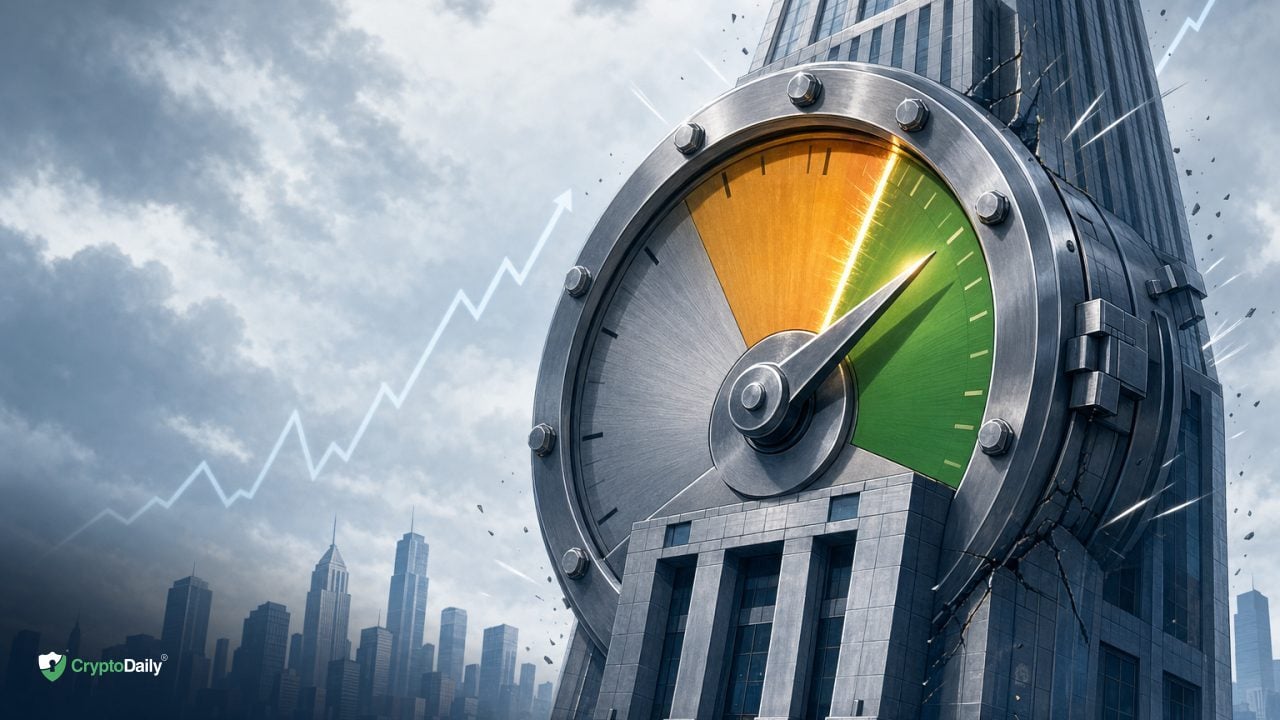
The Federal Reserve is facing renewed pressure to act on inflation as bond yields surge to their highest levels in a year. The spike in yields, a sign that investors expect higher borrowing costs ahead, could force the central bank to prioritize rate hikes—even if that means slowing the economy.
Bond Yields Hit Yearly Highs
U.S. Treasury yields have climbed sharply in recent weeks, hitting annual peaks. The move comes as traders price in a more aggressive Fed response to persistent inflation. Higher yields reflect expectations that the central bank will raise its benchmark rate, making government debt more attractive but also raising costs across the economy.
The yield on the 10-year note, a key benchmark for mortgages and corporate loans, has risen roughly half a percentage point since the start of the year. That jump is the fastest since the Fed began its current tightening cycle.
Pressure on the Fed
Inflation has remained stubbornly above the Fed's 2% target, and recent data shows little sign of a sustained slowdown. That puts the central bank in a difficult spot. If it holds rates steady, inflation could become entrenched. If it hikes, it risks hitting an economy that is already showing signs of strain.
Fed officials have signaled they are watching the data closely. But the bond market is effectively doing the work for them: by pushing yields higher, it tightens financial conditions without the Fed having to move. That dynamic, however, is fragile. If yields rise too fast, they could trigger a selloff in stocks and other risky assets.
Potential Economic Impact
Rate hikes do not just cool inflation. They also slow borrowing and spending. For businesses, higher rates mean higher capital costs. For households, they make mortgages and car loans more expensive. And for speculative investments—crypto, meme stocks, growth tech—higher rates often lead to sharp pullbacks as investors demand higher returns elsewhere.
The bigger question is whether the Fed can pull off a soft landing. That scenario—where inflation comes down without a recession—looks less certain every time yields spike. The bond market is essentially betting that the Fed will have to choose: fight inflation or protect growth.
That choice is getting harder by the day. The next Fed meeting is scheduled for early next month. Markets will be watching not just for a rate decision, but for any shift in language that signals how worried policymakers really are.