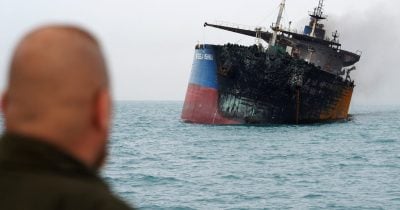
Brent crude oil climbed past $85 a barrel on Tuesday, pushed higher by fresh worries over shipping through the Strait of Hormuz. The waterway, a chokepoint for roughly a fifth of global oil consumption, has become the focal point of market anxiety as geopolitical tensions in the region escalate.
Why the Strait Matters
The Strait of Hormuz sits between Iran and Oman, connecting Persian Gulf producers to world markets. Tankers carrying crude, liquefied natural gas, and refined fuels pass through its narrow shipping lanes every day. Any disruption there tends to move prices quickly, and traders are now pricing in the risk of exactly that.
Brent, the international benchmark, has been climbing for weeks. The move above $85 marks a fresh milestone, and the direction of travel has been one-way. The question hanging over the market is how much further the risk premium can stretch before it starts to bite.
What Higher Oil Means for the Global Economy
Oil at this level is not just a headline number. It feeds directly into the cost of gasoline, diesel, jet fuel, and heating oil. For economies still wrestling with inflation, a sustained rise in crude threatens to undo some of the progress made in bringing price growth under control.
Central banks watch energy costs closely. A jump in oil can push inflation expectations higher, which in turn complicates interest rate decisions. Households feel it at the pump, and businesses feel it in their supply chains. The ripple effects are broad, and they don't take long to show up.
Geopolitical Risk Premium
The current price surge is not driven by a shortage of physical barrels. It is driven by the possibility of one. The Strait of Hormuz has been a flashpoint before, and any sign of military activity or diplomatic breakdown in the region sends traders into a defensive posture.
That risk premium can evaporate as quickly as it appears. But it can also expand if the situation deteriorates. For now, the market is betting that the tensions are serious enough to keep a floor under prices, even if no actual disruption has occurred.
What to Watch Next
Oil traders will be watching for any concrete developments in the Strait of Hormuz, from naval movements to diplomatic statements. The next major data point comes with the weekly U.S. inventory report, which will show whether demand is holding up at these price levels.
If Brent holds above $85, the conversation shifts to how long consumers and central banks can absorb the cost. If it falls back, the risk premium will have faded. Either way, the market is on edge, and the next move could come from any direction.