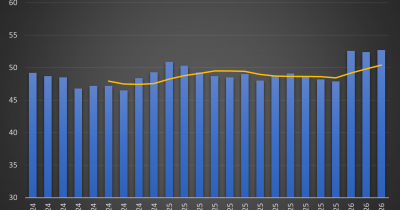
The era of cheap oil may not be coming back anytime soon, leaving investors, businesses, and everyday consumers exposed to higher energy costs for the foreseeable future. A new supply-security premium — driven by persistent geopolitical risks — is keeping crude prices elevated, adding to inflation pressures and likely delaying central bank rate cuts.
What the supply-security premium means
Devere Group CEO Nigel described the current market dynamic as one where oil prices are no longer purely determined by supply and demand fundamentals. Instead, a risk premium tied to geopolitical instability is baked into the barrel price. This premium, he argued, is not a temporary blip but a structural shift that could last years.
Why rate cuts are at risk
Higher oil prices ripple through nearly every sector — from transportation and manufacturing to heating and retail. That means inflation stays stickier than central banks would like. For the Federal Reserve and other major central banks, the prospect of sustained energy costs reduces the room to lower interest rates. The result: borrowing costs stay higher for households and companies, slowing economic activity but doing little to cool energy-driven price gains.
Who gets squeezed hardest
Consumers feel the pinch at the pump and in their utility bills. Investors face a market where energy stocks may outperform, but broader equity valuations get compressed by higher discount rates. Businesses that rely on fuel or petrochemical inputs — airlines, logistics firms, chemical producers — see margins shrink. Developing economies that import oil are especially vulnerable, as higher prices worsen trade balances and fuel domestic inflation.
What comes next
With no immediate resolution to the geopolitical tensions underpinning the supply-security premium, oil markets are likely to remain volatile. The next test will come when the Organization of the Petroleum Exporting Countries and its allies meet later this year to set production quotas. Meanwhile, traders will watch for any signs that major central banks are willing to tolerate higher inflation — or whether they'll hold rates steady to fight it.