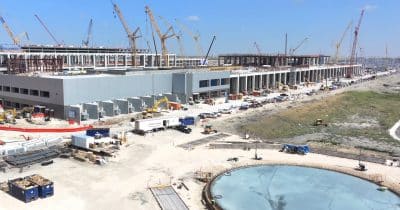
Chevron and Microsoft have signed a 20-year power supply agreement to fuel the tech giant's expanding fleet of AI data centers. The deal underscores the lingering dependence on fossil fuels to meet the soaring electricity demands of artificial intelligence, even as global pressure to decarbonize intensifies.
Fossil fuels still in the mix
The partnership ties Chevron's natural gas and possibly other hydrocarbon resources directly to Microsoft's long-term energy needs. Neither company disclosed the exact volume of power involved, but the two-decade span signals a commitment that cuts against the grain of rapid renewable adoption. Microsoft has pledged to be carbon-negative by 2030, yet this agreement keeps fossil generation online for at least another generation of data center operations.
Chevron said the deal highlights its ability to supply reliable, around-the-clock power—something wind and solar can't always guarantee. For Microsoft, the priority is securing enough electricity to train and run AI models, which consume vastly more energy than traditional cloud computing.
Energy transition in tension
The arrangement adds a fresh layer of complexity to the energy transition. While both companies have invested heavily in clean energy projects, the new contract effectively underwrites continued fossil fuel use for one of the world's most visible tech firms. Environmental groups have criticized such deals, arguing they lock in emissions for decades and divert capital from cleaner alternatives.
Microsoft's own sustainability reports acknowledge the challenge. The company has purchased billions of dollars in renewable energy credits, but its total carbon footprint has risen in recent years, driven largely by data center expansion. The Chevron deal may help close the gap between ambition and reality, but it also exposes the gap itself.
What's in the deal
The contract covers power delivery to Microsoft data centers, likely in regions where Chevron has existing generation assets. Terms were not made public, but long-term power purchase agreements of this scale typically include price floors and escalation clauses. The 20-year duration is unusually long for a corporate renewable deal, though fossil-linked PPAs have historically run even longer.
Neither side has announced which specific facilities will receive the Chevron-sourced power. Microsoft operates dozens of data centers worldwide and is building new ones at a record pace to support its Azure cloud and AI services.
Next steps
Both companies are expected to file regulatory disclosures in the coming weeks that could reveal more details. Microsoft's next sustainability report, due in the first half of 2025, will show whether its overall emissions trajectory changes as a result of this and similar fossil-fuel agreements. For now, the deal stands as a reminder that the AI boom comes with an energy price tag that renewables alone have not yet been able to cover.