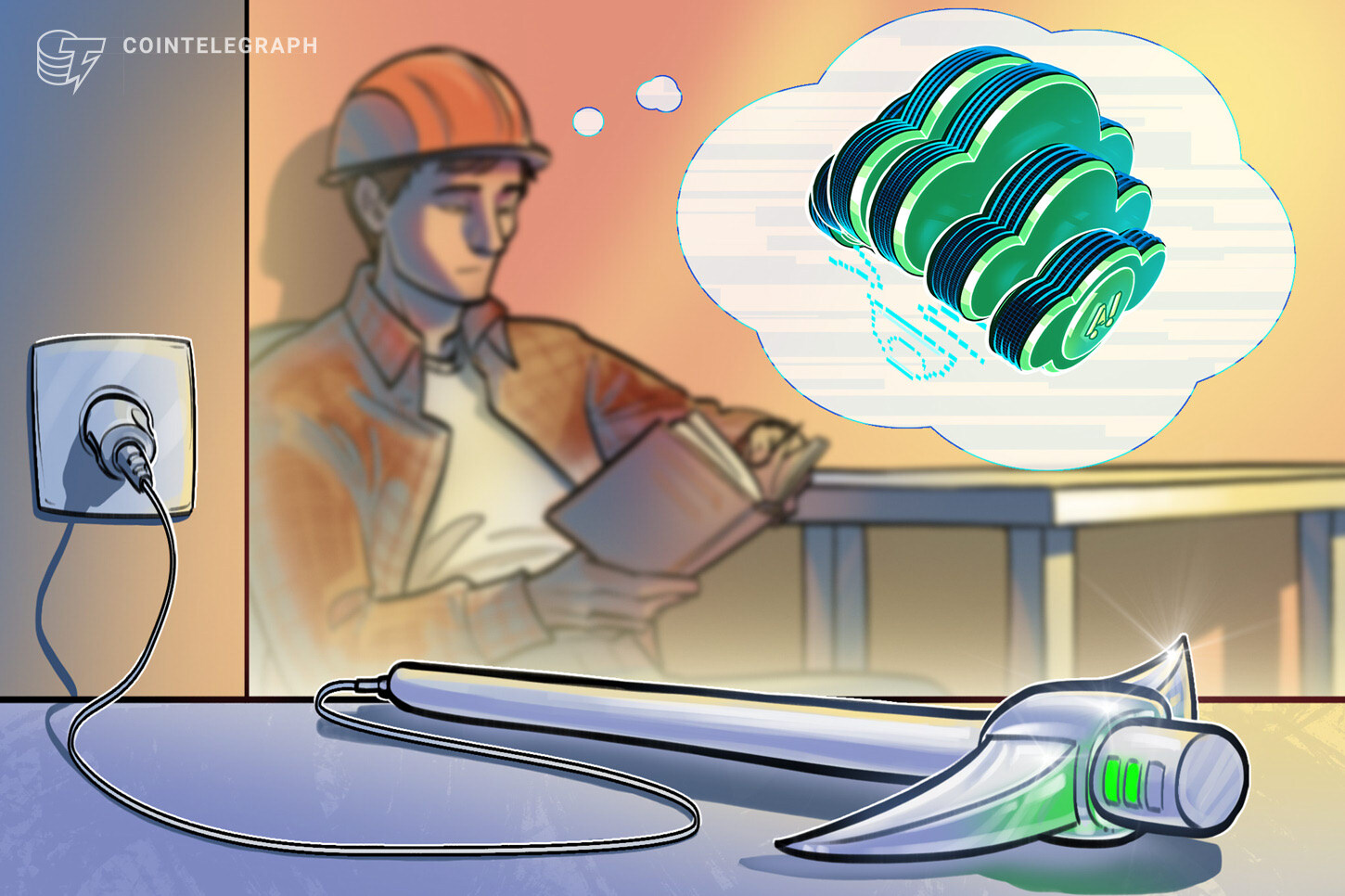
China's factory gate prices rose at the fastest rate in four years during May, a shift that's already squeezing Bitcoin miners in the country. The producer price index (PPI) data, released Wednesday, signals the world's second-largest economy is moving from prolonged deflation toward inflation — and the ripple effects are hitting crypto mining operations hard.
The PPI jump
China's PPI tracks what factories charge for their goods. The latest reading showed the steepest year-over-year increase since early 2022, breaking a long stretch of weak pricing power. Economists had expected a modest rise, not this sharp a swing. The jump reflects higher raw material costs and tightening supply chains, partly driven by energy price volatility over the past quarter.
For context, China spent years battling deflation after the property crisis. This month's PPI suggests that era may be ending — and fast.
Miners feel the heat
Bitcoin miners in China rely on a steady supply of cheap hardware and electricity. Both are tied to factory gate prices. Mining rigs, cooling systems, and replacement parts are manufactured in Chinese factories; when factory costs go up, so do the prices miners pay.
It's not just hardware. Mining farms consume enormous amounts of electricity, and China's industrial power tariffs often move in step with production costs. A sustained PPI rise means higher electricity bills for miners who are already dealing with thin margins after this year's hashrate adjustments.
The timing isn't great. Several large mining pools in China had been expanding capacity over the winter, betting on stable costs. That bet just got harder.
Global markets take note
China's inflation doesn't stay inside its borders. Higher factory prices feed into global supply chains for electronics, commodities, and energy. For Bitcoin miners outside China, that could mean pricier imported rigs and higher energy costs if inflation in China pushes up global oil and gas prices.
There's also a more direct channel: Chinese miners represent a significant share of global hashrate. If rising operational costs force some farms to shut down unprofitable machines, global hashrate could dip — at least temporarily. That would affect block times and mining difficulty adjustments down the line.
The next PPI reading, due in July, will show whether this is a one-month spike or the start of a longer trend. For now, miners everywhere are watching Chinese factory floors more closely than usual.