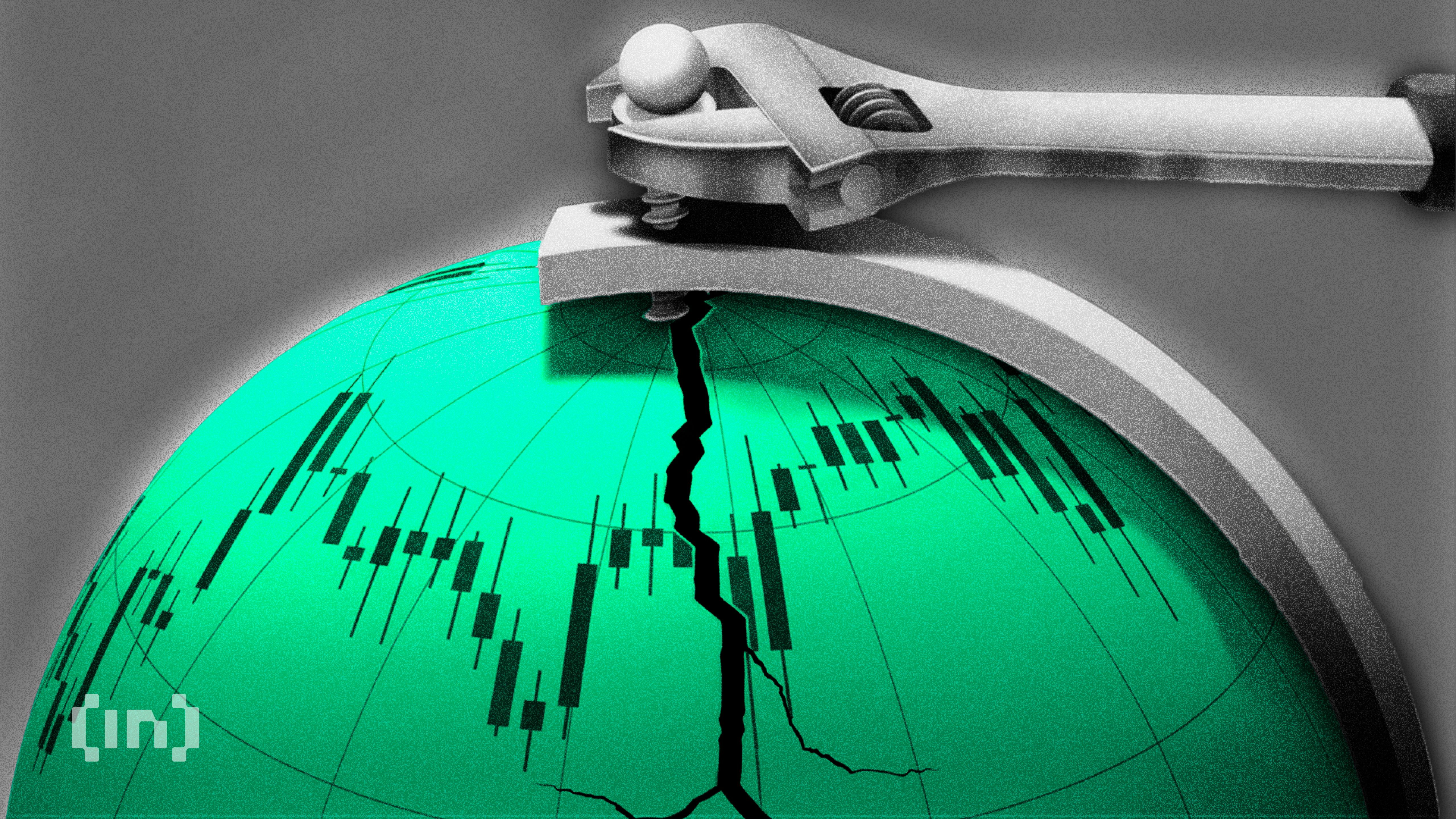
China is mobilizing $1.6 trillion to boost housing consumption, a central piece of its response to an economic slowdown. The plan could steady the property market, but it also raises questions about how much longer the government can keep spending.
The scale of the push
The money is earmarked for housing consumption, a sector that has dragged on growth for years. Beijing is betting that a fresh injection of funds will get buyers back into the market and ease the pressure on developers. It's a big number, even for the world's second-largest economy.
The move comes as China's growth has slowed, with property investment and sales falling. The government has tried smaller measures before, but this is a different scale. The $1.6 trillion is meant to be spent directly on housing, not just on infrastructure or subsidies.
Why housing matters
Real estate is a huge part of China's economy. It's tied to local government revenue, bank lending, and household wealth. When the property market stalls, it ripples through everything from construction jobs to furniture sales. That's why the government keeps coming back to it.
But the housing market isn't just a domestic issue. China's property sector is so large that its troubles have spilled into global markets before. A stabilization here could ease concerns about Chinese demand for commodities and about the health of Chinese banks.
The fiscal risk
The plan may stabilize the property market, but it doesn't come cheap. The $1.6 trillion adds to a growing pile of government debt. Local governments, already stretched, will likely carry much of the burden. The long-term risk is that this kind of spending becomes a habit, and the fiscal position becomes harder to sustain.
There's also the question of whether the money will actually reach the people who need it. Past stimulus efforts have sometimes been slow to flow through the system. And if the housing market doesn't respond, the government could be left with more debt and the same problem.
Global economic ripples
The impact won't stay inside China's borders. A stronger property market could boost demand for steel, copper, and other raw materials, which would help exporting countries. It could also calm investors who have been watching China's slowdown with unease.
But if the plan fails to revive housing, the global effects could be the opposite. Slower Chinese growth would weigh on world trade and could push other economies to adjust their own policies. The stakes are high, and the outcome is far from certain.
The coming months will show whether the $1.6 trillion can turn the property market around without deepening fiscal strains. For now, the money is on the table, and