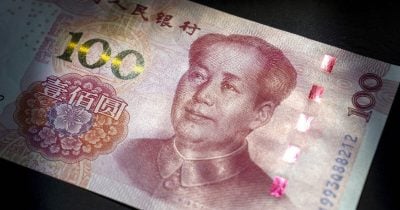
China launched an unprecedented campaign this week against illegal cross-border trading, threatening severe penalties on popular brokers and ordering all non-compliant accounts to be liquidated within two years. The move, aimed at stemming capital outflows, adds a fresh layer of regulatory uncertainty for Asian crypto markets already sitting at Extreme Fear.
What the campaign targets
The crackdown explicitly targets traditional brokers facilitating illegal cross-border trading — not crypto exchanges or wallets directly. That distinction matters. While China already bans crypto exchanges, its OTC and P2P markets have kept humming through these brokers. By going after the pipes, Beijing is trying to choke off the capital flight channels that crypto traders have relied on.
📊 Market Data Snapshot
Severe penalties are threatened against popular brokers who don't comply. The exact names of the firms haven't been released, but the message is clear: anyone moving money out of China without authorization is now in the crosshairs.
Two years, not two days
The two-year liquidation window is the detail most outlets are getting wrong. This isn't a sudden, forced shutdown. Accounts have until mid-2028 to unwind positions. That timeline gives traders room to adjust — and opens the door for capital to rotate into compliant channels before the deadline hits.
In the short term, the psychological shock is real. Bitcoin slipped 1.2% in the past 24 hours, and the Fear & Greed index is stuck at 29. But panic selling might prove premature if enforcement stays focused on traditional finance, leaving crypto OTC desks that use decentralized infrastructure relatively untouched.
Hong Kong angle
One overlooked possibility: capital shifting from illegal channels into Hong Kong's regulated crypto market. China approved retail crypto trading in Hong Kong last year, creating a controlled outlet. If this campaign pushes traders from gray-market brokers to licensed Hong Kong exchanges, the net effect on crypto demand could be a geographic shift rather than a collapse.
Investors should keep an eye on Hong Kong exchange volumes — a sustained uptick there would signal that capital is flowing into the regulated venue, not leaving crypto altogether.
History says markets adapt
China's 2017 ban on exchanges and ICOs triggered a sharp sell-off at the time, but activity quickly migrated offshore and to decentralized platforms. Prices recovered within months. The two-year deadline here could prolong the adjustment, but the underlying pattern — short-term fear, then adaptation — remains plausible.
The next concrete milestone is the first enforcement actions against specific brokers. If the campaign stays narrowly focused, the market may shake this off faster than the headlines suggest.