China's economy has entered the second half of 2026 with noticeably weak momentum, a development that could put fresh strain on global commodity markets and squeeze the budgets of local governments. The sluggish start raises concerns about the country's ability to support worldwide growth in the months ahead.
Commodity markets in the crosshairs
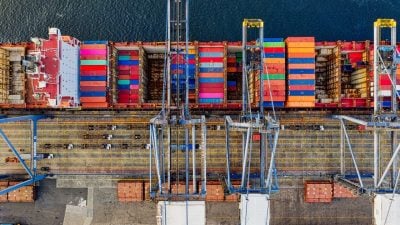
China is the world's top buyer of many raw materials, from iron ore to crude oil. When its industrial engine sputters, demand for those goods tends to soften, and prices often follow. That dynamic is now back in focus as the economy shows signs of losing steam. Commodity exporters are watching closely, though the full impact will depend on how long the weakness lasts. A short dip might be shrugged off, but a sustained slowdown could ripple through global supply chains and dent revenues for producing nations.
Local governments face a fiscal squeeze
The slowdown also complicates the financial picture for local governments across China. Many rely on tax revenue tied to business activity and land transactions, both of which cool when growth falters. With less money coming in, they may struggle to fund infrastructure projects and other spending commitments. That could further dampen domestic demand, creating a feedback loop that deepens the downturn. Some local authorities have already faced debt pressures in recent years, and a weaker economy only adds to the strain.
Global growth implications
The ripple effects are not confined to China's borders. As the world's second-largest economy, China drives a significant share of global demand for goods and services. A prolonged slowdown would likely weigh on international trade and could drag on growth in other regions. Countries that export to China, from Southeast Asia to Europe, would feel the pinch. The extent of the damage will depend on how quickly Beijing steps in with support. Any new stimulus measures would signal official concern, while inaction could allow the sluggishness to take root.
The coming weeks will show whether this is a temporary blip or the start of a longer trend. For now, the focus turns to the government's next policy moves and whether local governments adjust their spending plans to cope with tighter budgets.