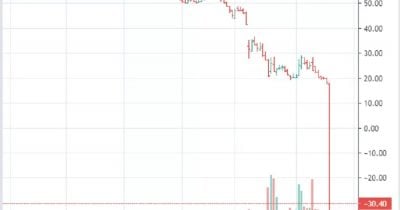
Citadel Securities posted a record $4.3 billion in trading revenue this period, fueled by a stretch of heavy market volatility. The outsized haul is now sharpening concerns about systemic risk — not just in traditional finance but also in crypto markets, where the firm's footprint has grown.
How the record was built
The revenue came amid a volatile quarter marked by sharp price swings across equities, fixed income, and crypto. As a leading market maker, Citadel Securities profited from the chaos, executing large volumes as investors scrambled to reposition. It's the kind of environment where the firm tends to thrive — but the size of the haul is hard to ignore.
Systemic risk debate heats up
The scale of the trading operation raises a familiar question: how much concentration is too much? With one firm accounting for a significant share of market-making activity in multiple asset classes, the risk of a single point of failure grows. Regulators have long circled around this issue, and the record revenue may accelerate the conversation. Both traditional and crypto markets share the exposure.
The crypto connection
Citadel Securities has been deepening its involvement in digital asset markets, providing liquidity and acting as a counterparty for institutional crypto trades. The record revenue wasn't solely from crypto — but the fact that the same market maker sits across both worlds underscores how intertwined they've become. If something goes wrong at a firm of this size, it won't stay contained to one silo.
Regulatory focus ahead
The record itself isn't a violation, but it's a spotlight. Lawmakers and agencies on both sides of the Atlantic have been eyeing the concentration of market-making power. Crypto-specific oversight is still taking shape, but this revenue data gives critics fresh ammunition. The open question now: will any regulator move to cap exposure, demand more collateral, or impose new reporting requirements? Nobody's saying yet.