Coinbase has originated the first mortgage in the United States backed by Fannie Mae that uses Bitcoin as collateral. The loan, announced this week, blends crypto lending with mainstream mortgage finance. For crypto holders, it opens a door to real estate borrowing without selling their coins. But the arrangement also takes on Bitcoin's notorious price swings — a risk that traditional mortgage backers have long avoided.
How the loan works
The borrower puts up Bitcoin held in a Coinbase account as collateral. In return, they get a mortgage that qualifies for Fannie Mae backing — meaning the government-sponsored enterprise will buy or guarantee the loan, a move that makes it indistinguishable from a conventional mortgage for the secondary market. Coinbase handled the origination and custody of the collateral. No details on the loan amount or interest rate were released, but the precedent is clear: a federal mortgage giant has accepted crypto as legitimate collateral.
What this changes
Until now, crypto-backed loans were mostly the domain of decentralized finance protocols or specialty lenders. They carried high rates and limited recourse. A Fannie Mae stamp changes the calculus. If the model scales, it could reshape real estate financing by giving the millions of people with crypto wealth a new form of leverage. They don't have to sell — they can borrow against their holdings and buy a house. That's a liquidity unlock the traditional banking system hasn't offered.
The volatility question
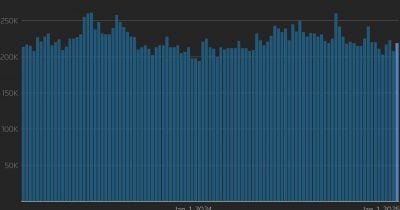
Bitcoin's price can drop 10% in a day. That's a problem for a mortgage backed by an asset that can plunge. If the collateral value falls below a certain threshold, the borrower will have to post more Bitcoin or face liquidation. Coinbase and Fannie Mae likely built in a conservative loan-to-value ratio and margin call mechanisms. Neither disclosed specifics. But the risk is real, and it's the first thing any potential borrower should weigh. The timing isn't great either — Bitcoin has been trading in a volatile range this year.
Coinbase hasn't announced a broader rollout. But if this single loan performs well — no margin calls, no defaults — other lenders will almost certainly follow. Fannie Mae's willingness to take the first step signals a shift in how regulators and incumbents view crypto. The big open question is whether the model can survive a prolonged downturn. That answer will come with time, not headlines.