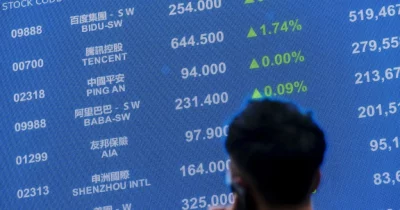
Consumer sentiment has dropped to its lowest level on record, driven by escalating geopolitical tensions from the Iran conflict. The downturn comes as inflation fears intensify and concerns about a potential economic recession grow, hitting household confidence hard.
Why the Iran Conflict Matters
The ongoing military and diplomatic standoff with Iran is raising uncertainty in global energy markets. Oil prices have been volatile, and supply disruptions are a real risk. That uncertainty is rippling through the economy — businesses face higher input costs, and consumers see prices climbing faster than wages.
This is not a slow slide. The drop in sentiment was sharp, reflecting the speed at which the conflict has escalated over recent weeks. The record low reading suggests households are bracing for a prolonged period of economic strain.
The Inflation Connection
Inflation was already a concern. The Iran conflict pours gasoline on that fire. Higher energy costs feed into everything from transportation to food prices. The fear is that the Federal Reserve will have to keep interest rates higher for longer to cool price pressures, which could choke off growth.
Consumers are feeling it at the pump and the grocery store. The sentiment index captures how people view their own financial situation and the overall economy. Right now, both are bleak.
Recession Risks on the Horizon
When consumer sentiment hits a record low, spending usually follows. And consumer spending drives the bulk of U.S. economic activity. A sustained pullback in spending could tip the economy into recession, especially if businesses respond by cutting jobs and investment.
Economists are watching closely. The combination of geopolitical risk, sticky inflation, and weakening confidence is a classic recipe for a downturn. No official recession call has been made, but the risk is rising.
The next major reading on consumer spending and inflation will offer a clearer picture. For now, the record-low sentiment is a flashing warning light — one that policymakers and households can't afford to ignore.