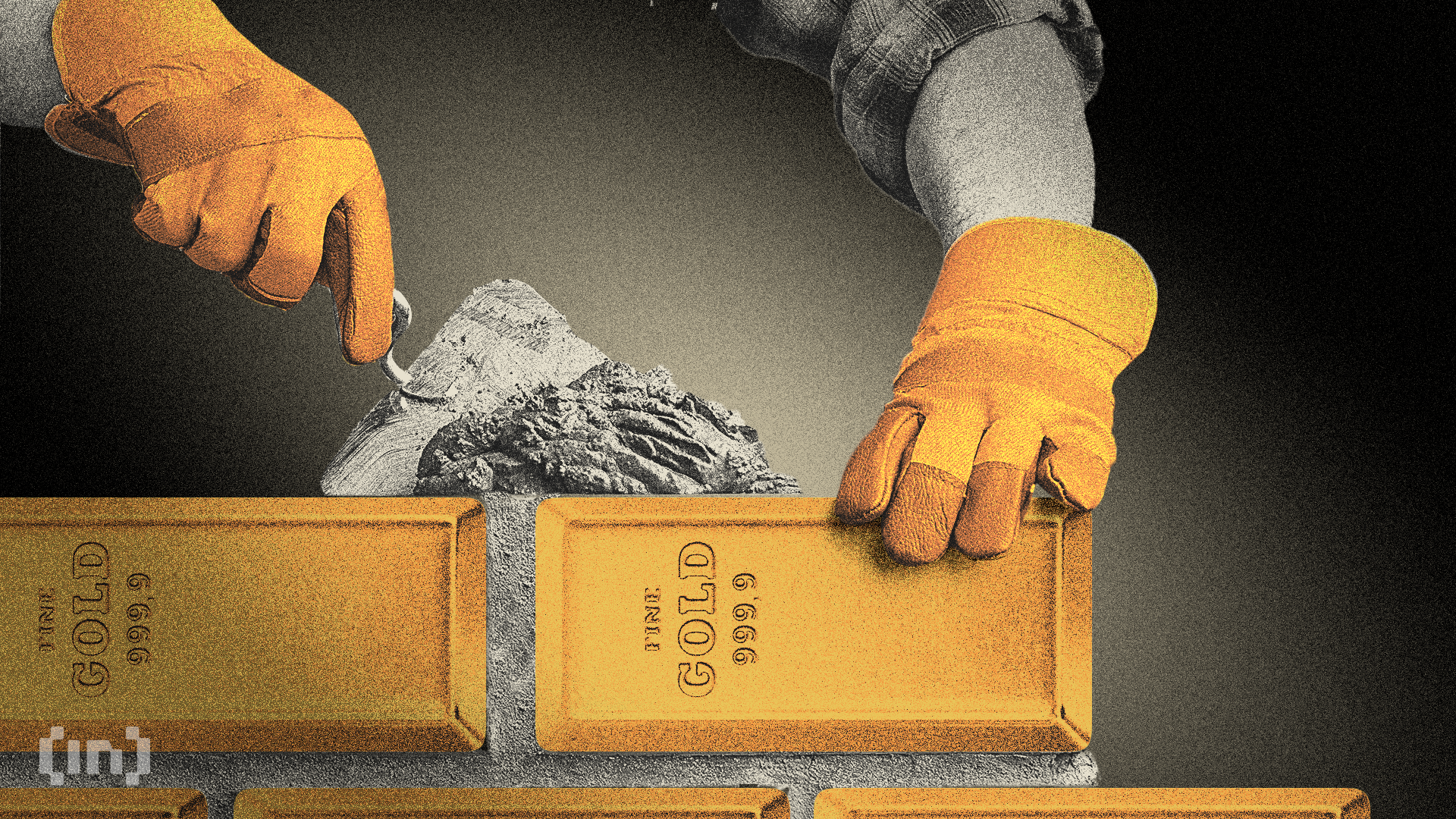
Companies are piling up cash at a pace that hasn't been seen in years, and investors are rushing into gold. The two moves point to a growing unease about where the economy is headed.
Why cash is piling up
Corporate balance sheets are getting heavier with cash. Instead of spending on new factories, hiring, or buybacks, many firms are choosing to sit on their money. That's a classic sign that executives see trouble ahead — or at least aren't confident enough to put capital to work.
Cash hoarding tends to rise when companies worry about a recession, tighter credit, or sudden shocks. It's a defensive posture. The more cash they hold, the less they need to borrow if markets freeze. But it also means less investment in growth, which can slow the economy further.
Gold's safe-haven moment
At the same time, gold demand is climbing. Investors are moving money into the metal as a hedge against uncertainty. When stocks wobble and inflation stays sticky, gold often becomes the go-to asset. The current surge fits that pattern.
Central banks have also been buying gold in bulk, adding to the pressure on prices. But the facts here point to a broader retail and institutional shift: people want something that holds value when everything else feels shaky.
What the two trends together suggest
Cash hoarding and gold buying don't always happen together. When they do, it's usually because the outlook is murky. Companies are preparing for a downturn, while investors are protecting themselves from one. That's a double signal that the market is pricing in risk.
There's no single trigger for the current mood. Trade tensions, high interest rates, and geopolitical conflicts all play a part. But the behavior itself — holding cash and buying gold — is a vote of no confidence in the near-term economy.
The question now is whether this caution turns into a self-fulfilling prophecy. If enough companies stop spending, growth could slow on its own. And if gold keeps rallying, it may pull even more money out of riskier assets.
For now, the data shows a clear pattern: caution is the new normal. Investors and corporate treasurers alike are watching for the next signal — a rate cut, a trade deal, or a surprise — that might break the standoff.