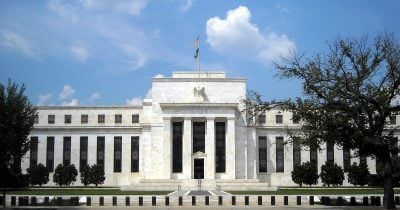
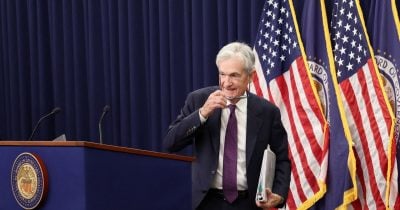
The dollar's recent rally has not been strong enough to help Federal Reserve Governor Kevin Warsh in his battle against inflation, leaving the central bank on track to keep interest rates elevated for longer than many had hoped. The persistence of high rates threatens to weigh on both traditional financial markets and the digital asset space, where investors have been betting on a pivot toward looser policy.
Why the dollar's strength isn't enough
A stronger dollar typically helps contain inflation by making imports cheaper and reducing the cost of foreign goods. But the current rally has failed to deliver the kind of disinflationary punch the Fed needs. Warsh, who has been among the more hawkish voices on the Federal Open Market Committee, has argued that underlying price pressures remain stubborn. Without a meaningful slowdown in core inflation, the central bank cannot justify cutting rates.
The dollar index has climbed roughly 5% over the past three months, yet consumer prices continue to run above the Fed's 2% target. That disconnect leaves Warsh and his colleagues in a bind: they can't rely on currency strength to do the work of monetary tightening.
Prolonged high rates and market fallout
If the Fed holds rates at their current level—or even raises them further—the impact will ripple across asset classes. Higher borrowing costs squeeze corporate profits, slow housing activity, and make bonds more attractive relative to stocks. For digital assets like Bitcoin and Ethereum, which have often been touted as hedges against inflation, the environment becomes particularly hostile. Cryptocurrencies have historically struggled when real yields rise and liquidity tightens.
The prospect of sustained high interest rates is already weighing on market sentiment. Traditional equity indices have pulled back from recent highs, and digital asset prices have slid as traders price in a longer wait for rate cuts. The correlation between risk assets and Fed policy remains tight.
Warsh's position and the policy path
Kevin Warsh served as a Fed governor from 2006 to 2011 and has remained an influential voice on monetary policy. His current struggle to contain inflation without the help of a stronger dollar underscores the limits of currency movements as a policy tool. The Fed's preferred measure of inflation, the core PCE price index, has been stuck above 3% for months.
Warsh has publicly warned that premature rate cuts could reignite inflation, a view that appears to be gaining traction within the FOMC. The minutes from the last meeting showed that several participants were concerned about the pace of disinflation. That hawkish tilt suggests rates will stay higher for longer, possibly well into next year.
Digital asset markets have been particularly sensitive to interest rate expectations. Bitcoin, which surged in late 2023 on hopes of a Fed pivot, has given back some of those gains. The prolonged high-rate environment dries up speculative capital and reduces the appeal of non-yielding assets. Stablecoin volumes have also dipped, signaling reduced risk appetite among crypto traders.
Some digital asset projects that rely on cheap leverage are facing stress. DeFi lending protocols have seen borrowing costs rise, and yield farming strategies that worked in a low-rate world are becoming less profitable. The entire ecosystem is adjusting to a reality where the Fed isn't coming to the rescue anytime soon.
The next major test comes with the release of the July consumer price index report, due out next week. If inflation data comes in hot again, Warsh and the Fed will have even less room to maneuver. For now, the dollar's rally has done little to change the central bank's calculus—and markets are bracing for a long, tight summer.