Energy stocks closed at an all-time high on Monday, powered by a sharp climb in crude oil prices that traders linked to President Trump's increasingly hard-line position on global disputes. The rally pushed the sector's benchmark index past its previous peak, marking the strongest performance since the current bull run began. The move comes as investors weigh the prospect of supply disruptions against the risk of a broader economic slowdown.
Oil prices climb on policy fears
West Texas Intermediate and Brent crude both rose more than 3% during the session, with the jump accelerating after the White House signaled it would not soften its stance in ongoing negotiations with several trading partners. Analysts on the floor described the move as a direct response to the president's rhetoric, which has raised the possibility of tighter sanctions on major producers. No official policy change was announced, but the market took the message as a warning.
That perception was enough to trigger a wave of buying in energy shares. Producers, refiners, and pipeline operators all posted gains, with the sector's largest components leading the charge. The record close follows a weeks-long run that has seen energy outperform every other major group in the S&P 500.
Geopolitical tensions and market volatility
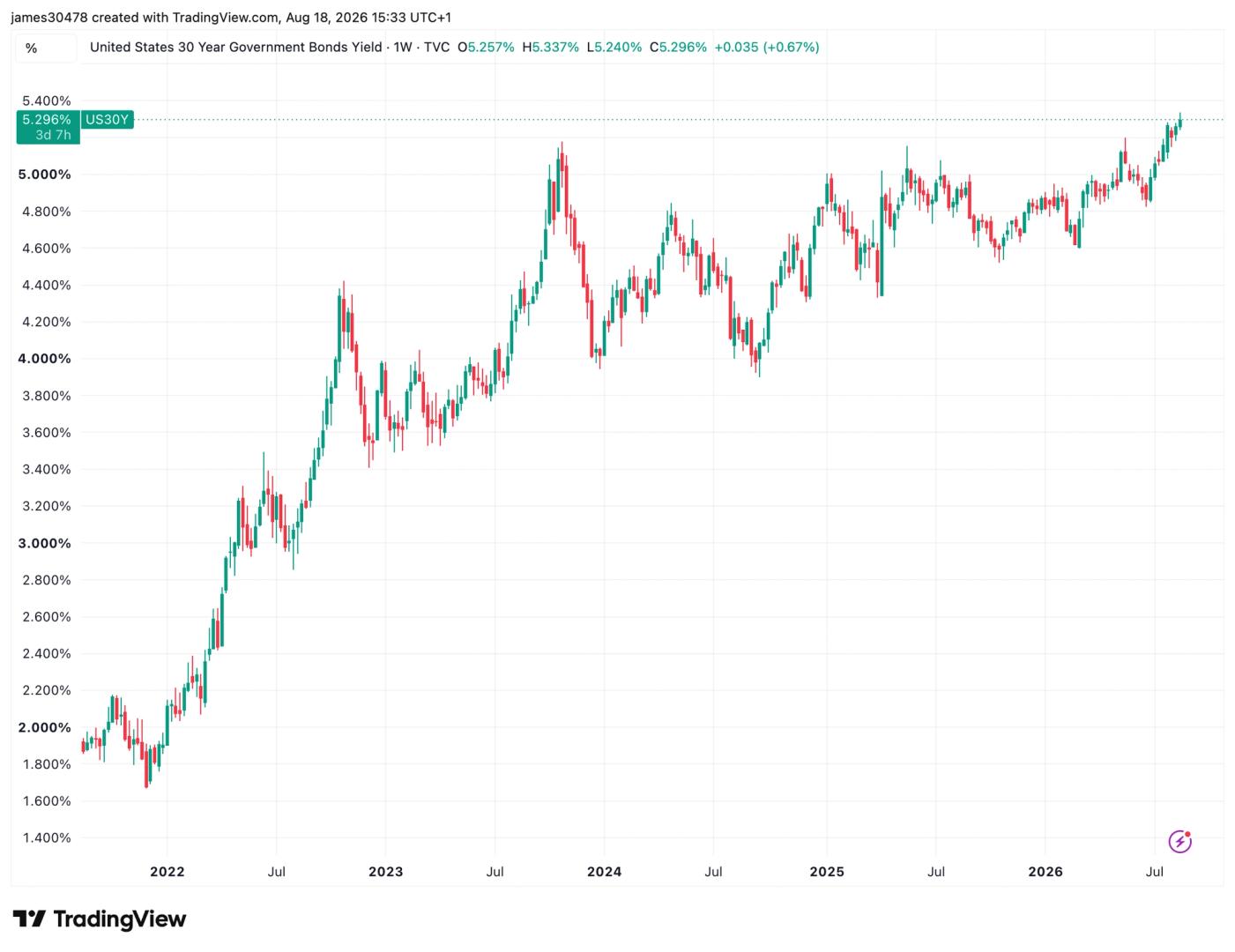
The surge in oil prices comes at a delicate moment. Global markets have been on edge over trade disputes, military posturing, and uncertainty about central bank policy. Rising energy costs could feed into inflation, which would complicate efforts to ease monetary conditions. That tension is already visible in the bond market, where yields ticked higher as traders priced in a slightly more hawkish outlook.
For equity investors, the energy rally is a double-edged sword. Higher oil prices boost the bottom line of drillers and refiners, but they also raise input costs for airlines, trucking firms, and manufacturers. The split was evident on Monday, with transportation stocks lagging while energy climbed. The broader index still ended the day in positive territory, but the gap between sectors suggests the rally is not being felt evenly.
What the record high signals
The energy sector's peak is a clear sign that investors believe oil prices will stay elevated for the foreseeable future. That conviction is built on the assumption that geopolitical friction will persist, keeping supply tight. But it also reflects a bet that demand will hold up even if prices rise. That combination—sustained geopolitical risk and resilient demand—has historically been a recipe for higher volatility in the months ahead.
Some market participants are already looking at how far the rally can stretch. The previous record was set in 2022, during a period of severe supply shocks. That comparison is not lost on traders, who note that the current run is happening without a full-blown crisis. If tensions escalate further, the sector could have more room to run. If they cool, the same stocks could give back their gains quickly.
The next test
For now, the market is watching the president's next move. A scheduled meeting with energy executives is expected later this week, and any hint of a policy shift could move prices sharply. The key question is whether the hard-line stance will translate into actual sanctions or export restrictions, or whether it remains a negotiating tactic. Either way, the record high has set the stage for a volatile stretch.
Traders will also keep an eye on weekly inventory data due Wednesday. A larger-than-expected drawdown would reinforce the bullish case, while a surprise build could trigger a pullback. The energy sector's fate, like the broader market's, now hinges on how the geopolitical situation evolves.