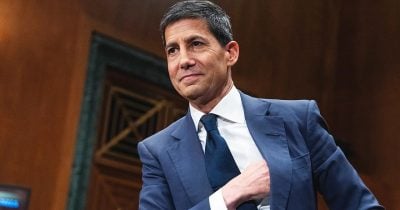
The European Union's top antitrust official is calling on member states to get behind cross-border bank deals, arguing that consolidation across national lines is the best shot European lenders have at competing on the world stage. The push comes as regulators and lawmakers weigh how to tear down the barriers that have kept most big bank mergers inside single countries for decades.
Why cross-border deals matter now
European banks have long struggled to match the scale of their American and Asian rivals. The EU's antitrust chief said that merging across borders would create institutions large enough to invest in technology, absorb shocks, and serve multinational clients without relying on patchworks of local subsidiaries. Without such deals, the official warned, the bloc's banking sector risks falling further behind.
The argument is straightforward: bigger, more integrated banks can cut costs, spread risk, and raise capital more efficiently. But turning that logic into reality has been nearly impossible. National regulators have resisted losing oversight of their home champions, and political leaders have blocked takeovers by foreign banks, especially when jobs or local lending could be affected.
The regulatory roadblock
Success depends on clearing a thicket of rules that vary from one country to the next — from capital requirements and deposit guarantee schemes to insolvency procedures and tax laws. The antitrust chief stressed that harmonizing those rules isn't just a technical exercise; it's a political one. Member states would need to surrender some control over their financial systems, and that's a hard sell in capitals that see banking as a strategic national asset.
The official didn't name specific deals or countries, but the message was aimed squarely at capitals that have stalled past merger attempts. The European Commission has limited power to force cross-border consolidation; it can set competition rules and push for regulatory alignment, but the final say on any merger still rests with national authorities.
A call for political will
In urging member states to support such transactions, the antitrust chief is essentially asking politicians to prioritize the bloc's global competitiveness over local interests. Whether they'll listen is an open question. The banking union project, launched a decade ago, was supposed to make cross-border deals easier, but key pieces — like a common deposit insurance scheme — remain unfinished.
The official's appeal lands at a time when the European banking sector is profitable but fragmented. The biggest banks are mostly confined to their home markets. A few cross-border tie-ups have succeeded, mainly in smaller economies, but the kind of mega-merger that could create a true pan-European bank hasn't materialized.
For now, the ball is in the hands of member states. The antitrust chief made clear that the regulatory barriers aren't insurmountable — but they won't fall without a coordinated push. The next test will come when a major cross-border deal is proposed and national regulators have to decide whether to wave it through or block it.