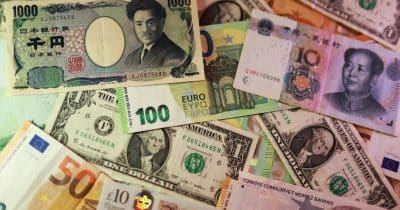
The European Union has postponed any immediate trade confrontation with China, even as its daily trade deficit with Beijing swells to €1 billion. The delay underscores the tricky balancing act Brussels faces between its deep economic reliance on Chinese imports and its push for greater strategic autonomy.
A Billion-Euro Gap
The €1 billion daily figure isn't just a number — it's a measure of how much more the EU buys from China than it sells. That gap has grown steadily as European manufacturers depend on Chinese components and consumers snap up Chinese goods. The deficit now represents one of the largest bilateral trade imbalances the bloc endures.
For EU policymakers, the scale of the deficit makes any sudden trade rupture painful. Disrupting supply chains or slapping tariffs on Chinese goods would hit European companies and households directly. That's a tough sell when inflation has only recently started to ease.
Why Brussels Held Back
The decision to delay a confrontation wasn't taken lightly. Several EU member states have voiced concerns about China's trade practices, including alleged overcapacity in green tech sectors like solar panels and electric vehicles. Yet the bloc's executive arm chose not to escalate now.
Part of the calculation is political. A full-blown trade dispute with China could fracture EU unity, as some member states rely heavily on Chinese investment and exports. Others, particularly those with strong manufacturing bases, fear retaliation that would hurt their key industries. The delay gives diplomats more time to seek concessions through negotiation rather than confrontation.
Another factor is timing. The EU is already juggling trade tensions with the United States and navigating its own internal debates over industrial policy. Adding a major fight with Beijing right now could overload the agenda and undermine other priorities.
The Autonomy Dilemma
Behind the delay lies a deeper problem: the EU wants to reduce its dependency on China, but it hasn't found a fast way to do so without causing economic pain. The bloc's strategic autonomy agenda — aimed at securing critical supplies of raw materials, chips, and clean energy tech — is years away from making a real dent in trade flows.
For now, Chinese goods remain cheaper and more available than European alternatives. Building new factories, diversifying suppliers, and stockpiling reserves all take time and money. The daily deficit shows just how far off self-sufficiency remains.
EU officials insist the delay is tactical, not permanent. They point to ongoing anti-subsidy investigations into Chinese electric vehicles and talks about a new trade and technology council. But without concrete results, the gap between rhetoric and reality is hard to ignore.
The next formal review of EU-China trade relations is expected later this year. Whether that deadline will force a decision — or another postponement — remains an open question.