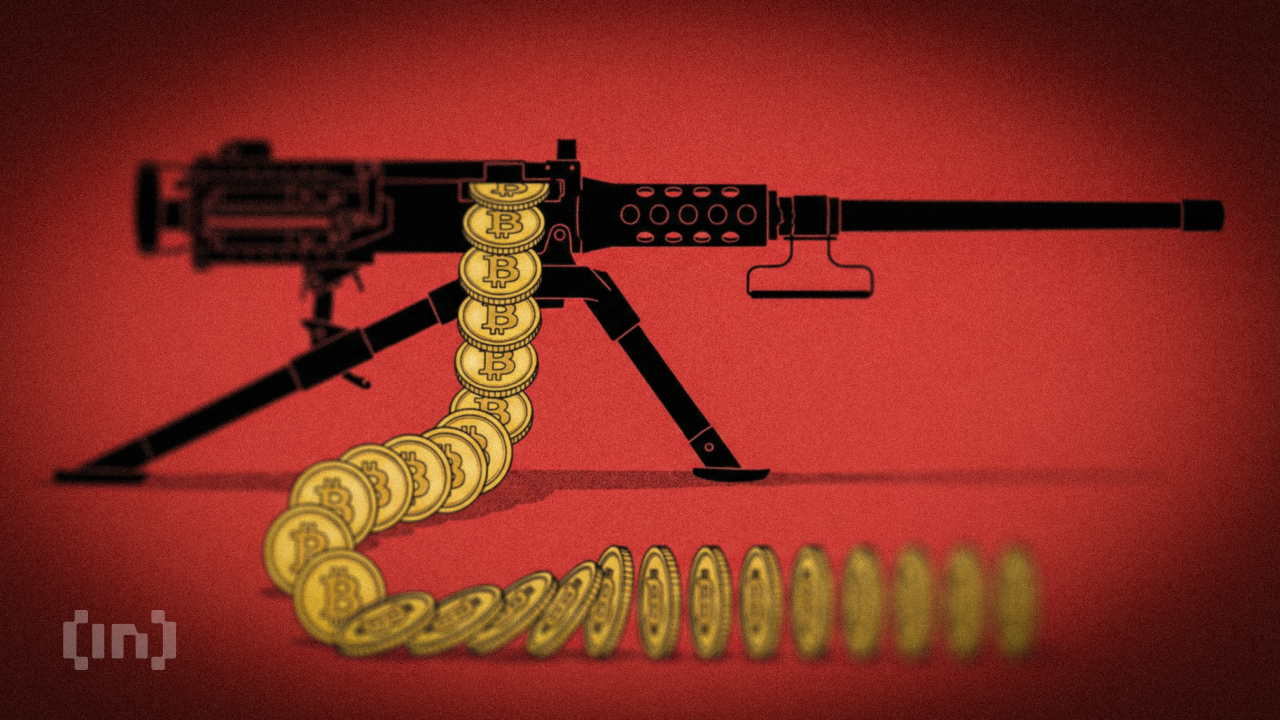
European Union exports to the United States collapsed by 30% in the first quarter of 2025, driven by the Trump administration's tariff escalation. The drop, disclosed in fresh trade data, isn't ancient history — it's still reshaping how global capital moves. For crypto markets, the fallout raises a tough question: if the dollar gets stronger and euro returns shrink, where does that leave bitcoin's pitch as the ultimate safe haven?
The tariff shock that keeps echoing
The 30% export slide was steep and sudden. EU manufacturers, from German automakers to French luxury goods, faced a wall of tariffs that made their products too expensive for US buyers. By the time Q1 2025 closed, trade lanes had shifted. Some supply chains rerouted; others just stopped. The effects didn't end when the quarter did. The dollar appreciated as demand for US assets grew relative to European ones, and the euro — along with returns denominated in it — took a hit.
What stronger dollar means for crypto
A stronger dollar usually pulls capital out of riskier bets. Crypto, despite its pitch as a non-sovereign asset, has historically correlated with risk-on moves. When the greenback strengthens, dollar-denominated debt gets more expensive, and investors often sell volatile positions to cover margins. That dynamic played out through 2025 and into 2026. The tariff-driven dollar rally didn't just pressure euro-denominated portfolios — it also made holding crypto as a hedge less convincing. The idea that bitcoin acts like digital gold during trade wars hasn't held up in this cycle.
Safe-haven narrative hits a wall
The data makes it harder to argue that crypto decouples from traditional macro forces. If tariffs boost the dollar and squeeze euro returns, the typical crypto investor response has been to sell, not to buy more. That's the opposite of a safe haven. Some traders hoped that a trade war would drive people toward decentralized, tariff-proof assets. Instead, the market saw a flight to the US dollar — the very currency bitcoin was designed to challenge. The 30% export collapse is a reminder that when global trade seizes up, liquidity dries up everywhere, including crypto order books.
Still waiting for the decoupling
The core question remains unresolved. Can crypto ever shake its dependence on dollar liquidity and risk appetite? The trade data from early 2025 suggests not yet. As long as the dollar gets stronger on tariff shocks, crypto will struggle to be the hedge its proponents promise. The next test comes when the European Central Bank releases its own economic projections later this month — if they show persistent weakness, the safe-haven debate will only get louder.