Explosions struck the city of Ahvaz in southern Iran this week, escalating the ongoing US-Iran conflict and rattling global markets. The blasts come at a time when tensions between the two countries had already been running high, and the incident threatens to destabilize oil markets, fuel inflation, and shift demand toward safe-haven assets like gold and Bitcoin.
What the blasts mean for oil
Iran sits on some of the world's largest oil reserves, and Ahvaz is a key hub for the country's energy infrastructure. Any disruption in the region compounds fears of supply tightening. The conflict's escalation could push crude prices higher, feeding into broader inflationary pressures that central banks are already struggling to contain.
The inflation ripple
Higher oil prices don't just show up at the pump. They raise costs for transport, manufacturing, and basically everything that moves. That means inflation sticks around longer, giving central banks less room to cut rates. For markets, that's a double-edged sword: tighter financial conditions and slower growth.
Gold and Bitcoin as hedges
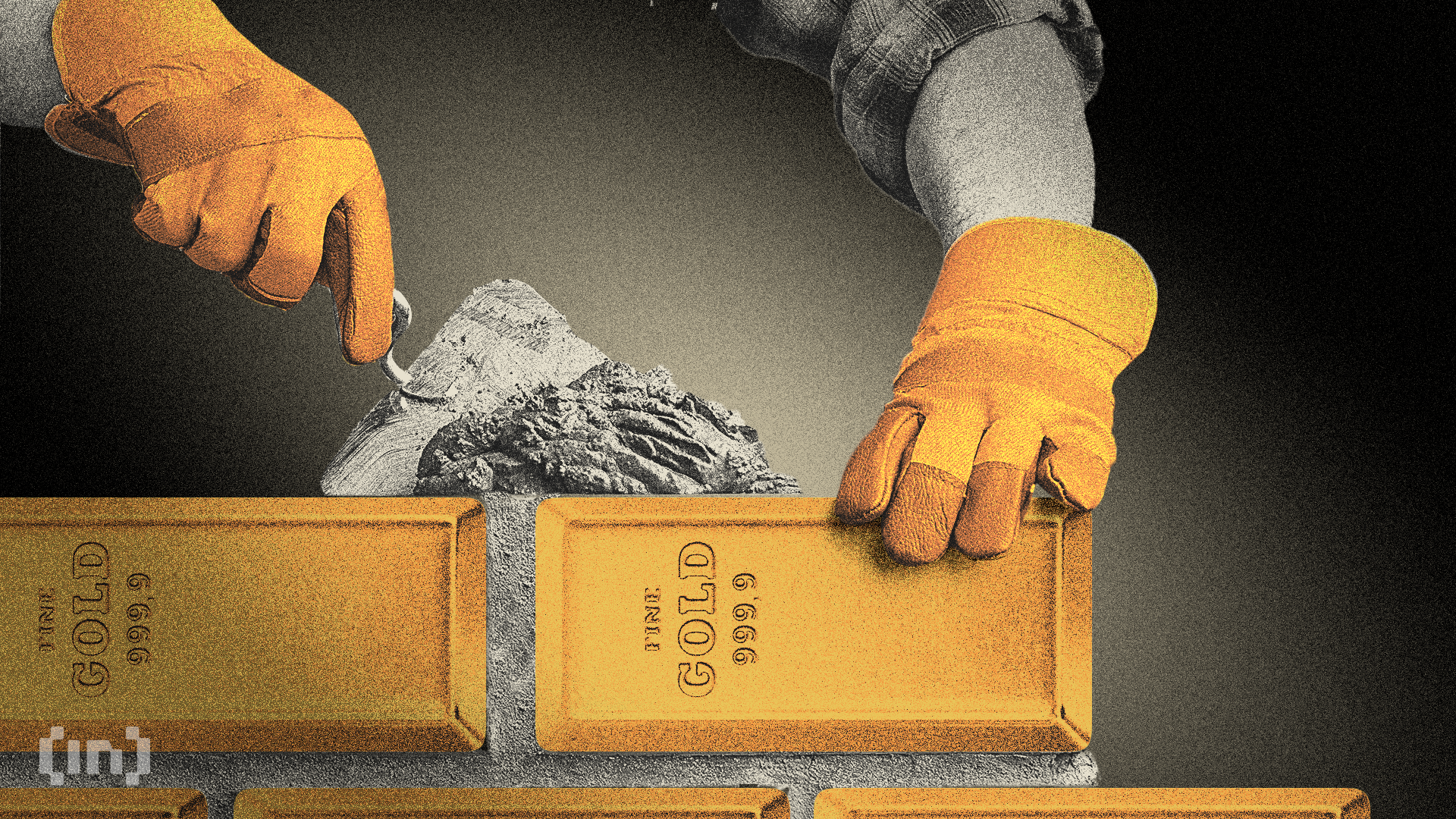
When geopolitical risk spikes, investors typically flee to hard assets. Gold has been the traditional go-to, but Bitcoin's growing acceptance as a non-sovereign store of value has put it in the same conversation. The question is whether both assets can hold their ground in a scenario where the conflict also threatens to disrupt global financial plumbing.
The situation in Ahvaz remains fluid, and the full extent of the damage is still unclear. Markets will be watching for any official response from Tehran or Washington that could signal further escalation — or a path to de-escalation.