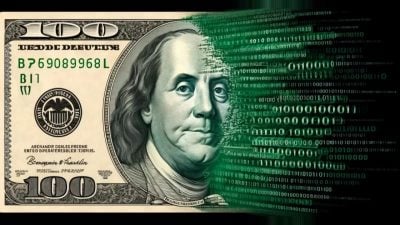
Federal Reserve Chair Kevin Warsh has indicated the central bank may shift toward a more hawkish policy stance, citing persistent inflation concerns. The potential move aims to stabilize rising prices but could also slow economic growth and raise borrowing costs for consumers and businesses.
Why Inflation Is Driving the Shift
Warsh’s signal comes as inflation remains above the Fed’s target, despite earlier rate hikes. A hawkish pivot would mean tighter monetary policy—likely higher interest rates or reduced bond purchases—to cool demand. The goal is to prevent inflation from becoming entrenched, but the trade-off is a possible drag on economic expansion.
What a Hawkish Policy Could Mean for Markets
Investors are already reacting to the prospect of tighter conditions. Stock markets could face headwinds as higher rates make borrowing more expensive for companies. Bond yields may rise, and the dollar could strengthen. For households, mortgage and credit card rates might climb further, squeezing budgets. The Fed’s challenge is to curb inflation without triggering a recession.
Next Steps and Unresolved Questions
The Fed’s next policy meeting will be closely watched for concrete actions. Warsh did not specify a timeline, but markets are pricing in a potential rate increase at the upcoming session. The key question remains whether the central bank can engineer a soft landing—slowing the economy enough to tame inflation without causing a sharp downturn.