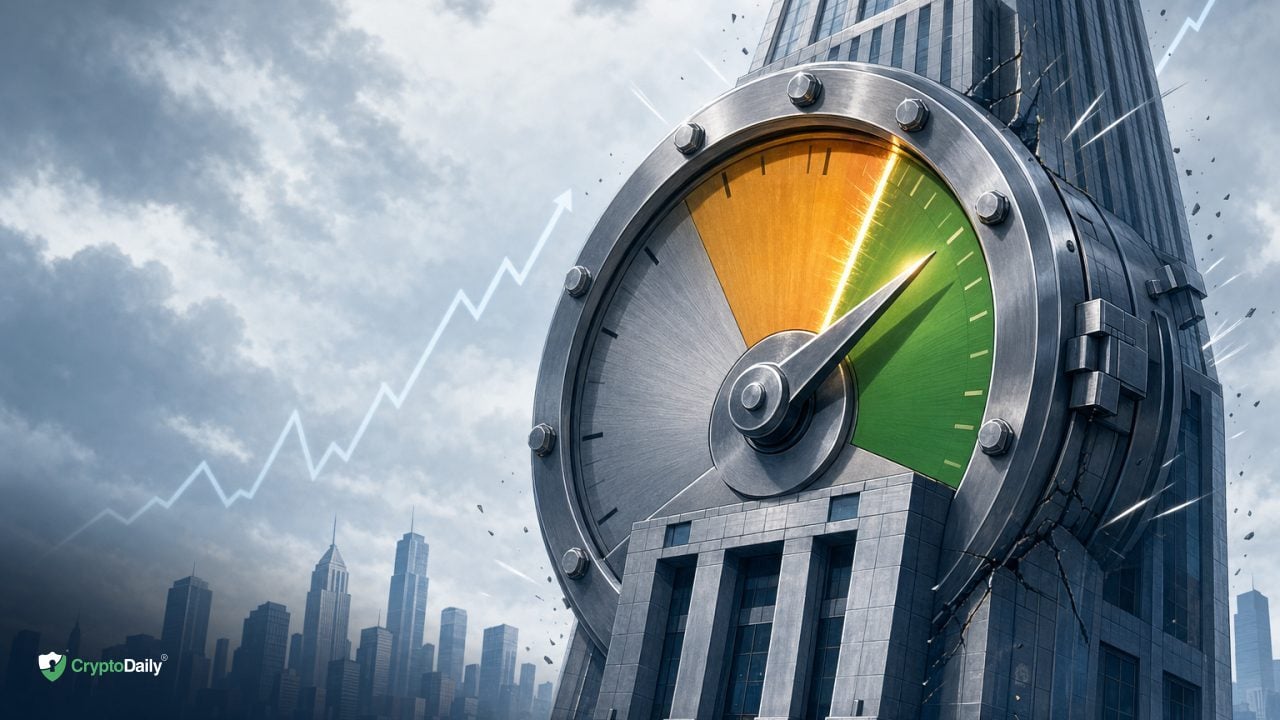
The Federal Reserve signaled Wednesday that it could raise interest rates again if inflation fails to cool, a move that would tighten liquidity across financial markets and put pressure on risk assets like stocks and cryptocurrencies. The message came as part of the central bank's latest policy outlook, reinforcing a cautious stance even as some economic data shows signs of slowing.
The Signal From Washington
In its post-meeting statement, the Fed said it remains prepared to adjust the federal funds rate upward if price pressures persist. That language marks a shift from earlier this year, when officials had hinted at a potential pause. The change reflects concern that inflation, while down from its peak, is still running above the central bank's 2% target.
Chair Jerome Powell did not specify a timeline for any move, but the message was clear: the Fed is not done fighting inflation. Market participants now expect a higher probability of a rate increase at the next meeting, though no decision has been announced.
What Tighter Liquidity Means
Higher interest rates typically drain money from the financial system. Banks borrow less, lending slows, and the cost of credit rises for businesses and consumers. That tightening of liquidity can ripple through markets, making it more expensive to finance positions and reducing the appetite for speculative bets.
For risk assets, the implication is straightforward. Stocks have rallied this year partly on hopes that the Fed would ease up. A renewed hawkish tone threatens to unwind those gains. Cryptocurrencies, which are highly sensitive to liquidity conditions, could face similar headwinds. Bitcoin and other digital assets have already shown volatility in response to Fed commentary.
Risk Assets on Alert
The signal hit equity futures shortly after the release, with major indices dipping in overnight trading. Technology shares, which are particularly sensitive to interest rate changes, led the decline. The S&P 500 and Nasdaq both posted modest losses in early Asian trading.
Investors are now recalibrating their portfolios. Some are moving cash to the sidelines, while others are hedging against a possible downturn. The bond market also reacted: yields on short-term Treasuries edged higher as traders priced in a greater chance of a rate hike.
The impact on risk assets is not limited to traditional markets. Crypto traders saw a quick drop in Bitcoin and Ethereum prices, though volumes remained relatively steady. The broader altcoin market followed suit, reflecting the sector's sensitivity to macro signals.
What Comes Next
The Fed's next policy meeting is scheduled for mid-September. Between now and then, two key inflation reports will be released — the Consumer Price Index and the Personal Consumption Expenditures Price Index. Those numbers will likely determine whether the central bank follows through on its signal.
For now, the market waits. Traders will parse every data point for clues. If inflation shows further progress, the threat of a hike may recede. If it remains sticky, the Fed's warning could become a reality. The next few weeks will be decisive.