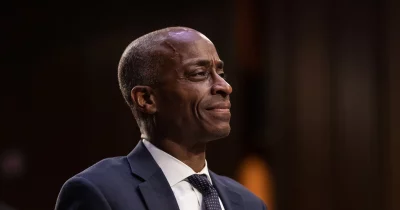
Federal Reserve Governor Lisa Cook said she's prepared to push interest rates higher if inflation doesn't start to ease. The statement, delivered in a speech Tuesday, underscores the central bank's determination to stamp out stubborn price pressures — and it could stir up financial markets already jittery over the path of borrowing costs.
What Cook's Stance Means
Cook is a voting member of the Fed's rate-setting committee, so her words carry weight. She didn't specify a threshold for action, but her tone was clear: the Fed isn't done fighting inflation. "If inflation persists," she said, "I am prepared to raise rates further." The remark is a reminder that the central bank's campaign against rising prices is far from over, even after 11 rate hikes since early 2022.
Investors have been betting that the Fed might soon pause or even cut rates. Cook's comments push back against that narrative. The immediate signal: volatility. Stocks could swing, bond yields might jump, and the dollar could strengthen as traders recalibrate expectations.
Why Markets Are on Edge
The Fed has made progress. Inflation has fallen from its 2022 peak of 9.1% to around 3.7% as of September. But it remains above the central bank's 2% target, and some measures of underlying price pressures have proven sticky. Cook's warning suggests she sees risks that inflation could get stuck at an elevated level — enough to warrant another rate increase.
For traders, that means the "higher for longer" rate environment might stick around. Short-term Treasury yields have already climbed in recent weeks as the economy showed surprising strength. Cook's remarks could accelerate that move, making it more expensive for businesses and households to borrow.
The Data That Matters
Cook's decision to flag the possibility of another hike puts the spotlight on upcoming economic reports. The October consumer price index, due in mid-November, will be critical. If it shows inflation reaccelerating or merely holding steady, pressure on the Fed to act will mount. Similarly, monthly jobs data and wage growth figures will be watched for signs of overheating.
The Fed's next policy meeting is set for December 12-13. Between now and then, Cook and her colleagues will get a fresh batch of data. If the numbers don't cooperate, a rate increase at that meeting becomes a real possibility — and markets will have to price that in.
Whether the Fed actually raises rates again depends entirely on the inflation trajectory in the weeks ahead. Cook has laid out her position. The ball is now in the data's court.