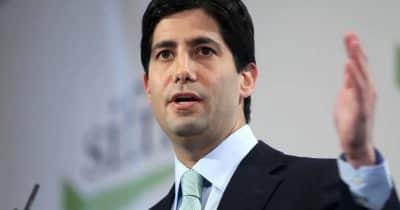
The Federal Reserve held interest rates steady at 3.5%–3.75% during its first meeting under new Chair Kevin Warsh. The decision itself was widely anticipated. What caught markets off guard was Warsh’s decision to abandon the detailed forward guidance the central bank had used for years — a change that injects fresh uncertainty into the economic outlook.
A new communication style
Warsh, who took over as Fed chair earlier this year, made clear early in the meeting that the old playbook on rate signals was out. Instead of offering a clear path for future moves, the Fed’s post-meeting statement offered only broad language about monitoring data. The shift represents a deliberate break from the approach of previous chairs, who used forward guidance to shape market expectations and reduce volatility.
The change is not just procedural. Investors had come to rely on detailed guidance to price in rate moves months ahead. Without it, markets now face more guesswork about the Fed’s next steps. That added layer of uncertainty could weigh on investor confidence and, over time, on economic stability, according to the Fed’s own assessment in the meeting minutes.
Why guidance mattered
Forward guidance had been a cornerstone of Fed communication since the 2008 crisis. It gave businesses and households a clearer sense of borrowing costs ahead — something that helped anchor spending and investment. By pulling back that clarity, Warsh is forcing the private sector to react to each data release in real time rather than rely on the Fed’s roadmap.
The decision to hold rates was unanimous, but the communication shift was not without internal debate. Some committee members argued that the economy still needs predictable signals to maintain confidence, especially as inflation remains above the Fed’s 2% target. Warsh’s camp countered that too much guidance had become a crutch, and that markets needed to learn to read the economy on their own.
For now, the Fed’s rate decision was the easy part. The harder task will be navigating the uncertainty Warsh’s new approach has created — both inside the committee and in the broader economy.