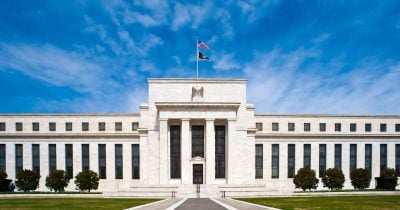
The Federal Reserve kept interest rates unchanged at its June meeting, but the central bank's latest statement and projections made one thing clear: the fight against inflation isn't over. Policymakers took a notably hawkish tone, signaling that additional rate increases could be on the table later this year.
A pause, not a pivot
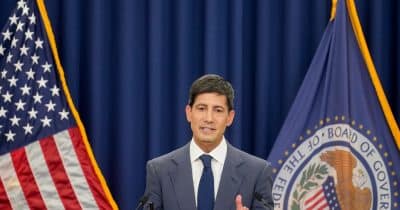
The decision to hold the federal funds rate at its current range came as little surprise to markets. But the accompanying Summary of Economic Projections showed a median expectation for two quarter-point rate moves before year-end. Fed Chair Jerome Powell, in his post-meeting press conference, stressed that the central bank is not declaring victory. “Inflation is still running well above our 2% objective,” he said. “We need to see more progress before we can consider easing.”
The language in the official statement also shifted. Where previous statements noted that the Fed would be “patient,” the June version said the committee “remains highly attentive to inflation risks.” That small change carried weight. It’s a direct acknowledgment that price pressures haven’t cooled enough to let the Fed shift into neutral, let alone reverse course.
Why the hawkish stance matters
A more aggressive Fed changes the calculus for investors and borrowers. Higher rates for longer means tighter liquidity across financial markets. Mortgage rates, which have already climbed, could stay elevated. Corporate borrowing costs won't ease soon. The Fed’s own projections now peg the terminal rate — the peak of this cycle — slightly above what was forecast in March.
For traders, the message is simple: don't bet on a rate cut any time soon. The CME FedWatch Tool, which tracks market pricing of rate moves, showed probabilities for a cut at the July meeting dropping to near zero after the announcement. Instead, the focus shifted to September, where the odds of a hike climbed above 40%.
The impact isn't limited to Wall Street. Small business owners and homebuyers alike face a longer stretch of expensive credit. Consumers carrying credit card debt will see no relief from their monthly payments. The Fed’s hawkish stance effectively tells the economy: we’re still willing to slow you down to cool prices.
Inflation data that drove the decision
Recent reports didn’t give the Fed the cover it wanted. The April and May readings on the personal consumption expenditures price index — the Fed’s preferred inflation gauge — both came in hotter than forecast. Core PCE, which strips out volatile food and energy, remains stuck above 3%. That’s well clear of the 2% target.
Powell acknowledged the data directly. “We’ve seen some progress on goods inflation, but services inflation is proving stickier,” he said. “It’s going to take time.” That candor reinforced the message that the Fed is willing to keep rates restrictive even if that means a slower economy.
Labor market strength complicates the picture further. The unemployment rate held at 3.7% in May, and job gains have been solid. A tight labor market can feed wage pressures, which in turn keep services inflation elevated. The Fed views that as a risk worth guarding against.
What happens next
The next Federal Open Market Committee meeting runs July 29-30. Between now and then, the central bank will get two more months of inflation data, plus fresh reports on hiring and consumer spending. Those numbers will determine whether the hawkish language turns into actual rate increases.
Investors are already recalibrating their portfolios for that possibility. Bond yields moved higher after the June statement, and the dollar strengthened. Stock markets, which had rallied earlier in the year on hopes of a rate cut, slipped in the days following the announcement.
The Fed has left the door wide open. The question now is whether the economy will force it to walk through.