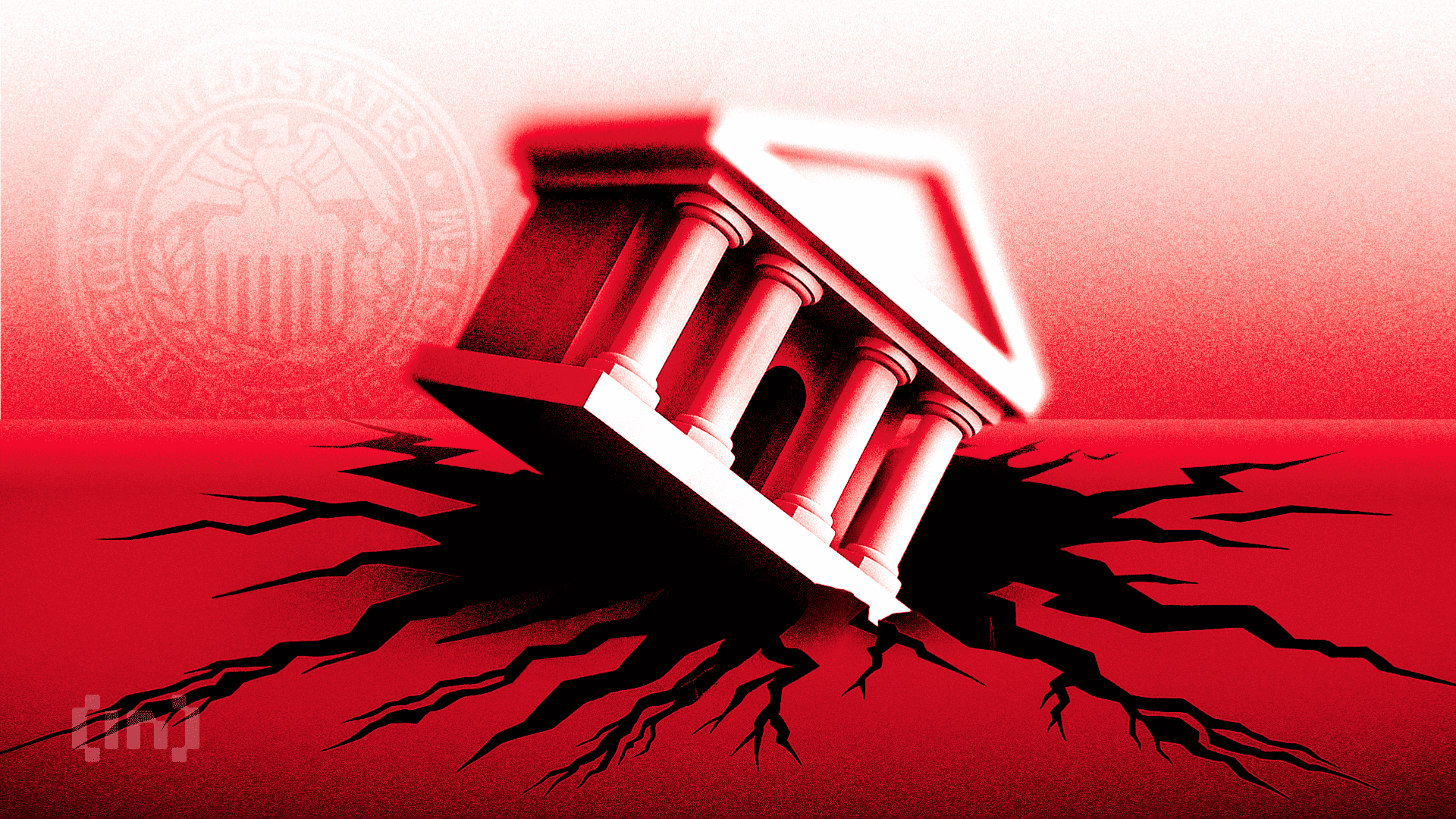
The Federal Reserve held interest rates steady Wednesday in Chair Kevin Warsh’s first policy decision, but projected higher odds of future rate hikes as rising energy prices fueled by Middle East tensions add pressure to the inflation outlook. U.S. stocks slid following the announcement, with the S&P 500 and Nasdaq both closing lower.
Why the Fed Is Eyeing Rate Hikes
The central bank’s updated projections show a higher probability of rate increases over the coming months. The shift comes as energy prices continue to climb amid escalating conflict in the Middle East. Crude oil and natural gas costs have risen sharply, feeding into broader price pressures that complicate the Fed’s effort to bring inflation down to its 2% target.
Warsh, who took over as chair earlier this year, faces a delicate balancing act. Holding rates steady buys time to assess the economic impact of the geopolitical turmoil, but the hawkish tone in the projections suggests the Fed is preparing to act if energy-driven inflation persists.
Market Reaction and the Hormuz Factor
Wall Street didn’t take the news well. The Dow Jones Industrial Average fell more than 300 points, and bond yields ticked higher as traders priced in a greater chance of tighter monetary policy. The selloff was broad, with energy and tech stocks among the hardest hit.
Investors are also watching the Strait of Hormuz. On Polymarket, the betting platform, the odds of “Hormuz normalcy” — a measure of expectations that shipping through the strategic waterway will remain unhindered — edged up to 22.5%. That’s still low, reflecting persistent uncertainty about supply disruptions that have been pushing energy prices higher.
What Comes Next
The Fed’s next policy meeting is set for late June. By then, officials will have more data on inflation, jobs, and energy markets. Warsh has signaled that the central bank will move deliberately, but the rising odds of rate hikes mean the decision will hinge on whether Middle East tensions ease or escalate further. For now, markets are bracing for a potentially more aggressive Fed.