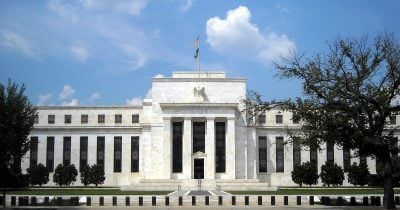
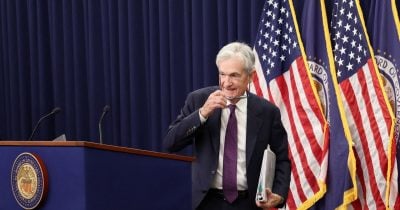
The Federal Reserve left interest rates unchanged at 3.5%-3.75% in its latest meeting, but the central bank warned that a rate hike could come sooner than expected. The decision to pause — rather than cut — comes as inflation remains above the Fed's 2% target, raising the odds of market turbulence in the months ahead.
Why the Fed Held Steady
Policymakers voted unanimously to keep the federal funds rate in its current range. The move breaks a pattern of incremental cuts that many investors had anticipated. The Fed's statement cited “elevated inflation” and “uncertainty in the economic outlook” as reasons for the hold.
Inflation has stayed stubbornly high despite earlier rate increases. Consumer prices rose 3.4% year-over-year in the latest reading, well above the central bank's comfort zone. By holding rates steady, the Fed is trying to avoid adding more fuel to the fire while it waits for clearer data.
What a Sooner Hike Would Mean
The possibility of a rate hike arriving earlier than previously telegraphed has rattled bond markets. Yields on two-year Treasuries ticked up after the announcement, reflecting expectations of tighter monetary policy. For borrowers, a sooner hike would mean higher costs on credit cards, auto loans, and adjustable-rate mortgages.
Businesses that rely on cheap debt could face squeezed margins. The housing market, already sluggish due to elevated mortgage rates, might see further cooling. On the flip side, savers could benefit from higher returns on deposits and money-market funds.
Market Volatility on the Horizon
The rate pause amid high inflation creates an unusual tension. Typically, the Fed cuts rates when inflation is tame and raises them when it's hot. But now it's pausing with inflation still running above target. That inconsistency has left investors guessing about the next move.
Stock markets initially dipped on the news before recovering slightly. The S&P 500 fell 0.6% in afternoon trading, while the Dow Jones Industrial Average lost about 200 points. Analysts pointed to uncertainty over the Fed's forward guidance as the main driver of the choppy session.
Volatility could persist until the next Federal Open Market Committee meeting, scheduled for mid-March. Traders are now pricing in a 40% chance of a quarter-point hike at that gathering, up from just 15% before the announcement.
For now, the prime rate remains at 6.5%, tied to the Fed's target range. If a hike comes in March, that rate would rise to 6.75%. That would increase the cost of home equity lines of credit and variable-rate debt almost immediately.
Investors are watching the upcoming consumer price index report, due out next week, for clues on whether inflation is finally cooling. A hotter-than-expected number could seal the case for an earlier hike. The Fed's next decision will depend heavily on that data and on employment figures.
No one is calling this a pivot. It's a pause — and maybe a brief one. The central bank's message is clear: it's not done fighting inflation, even if that means more pain for markets and borrowers.