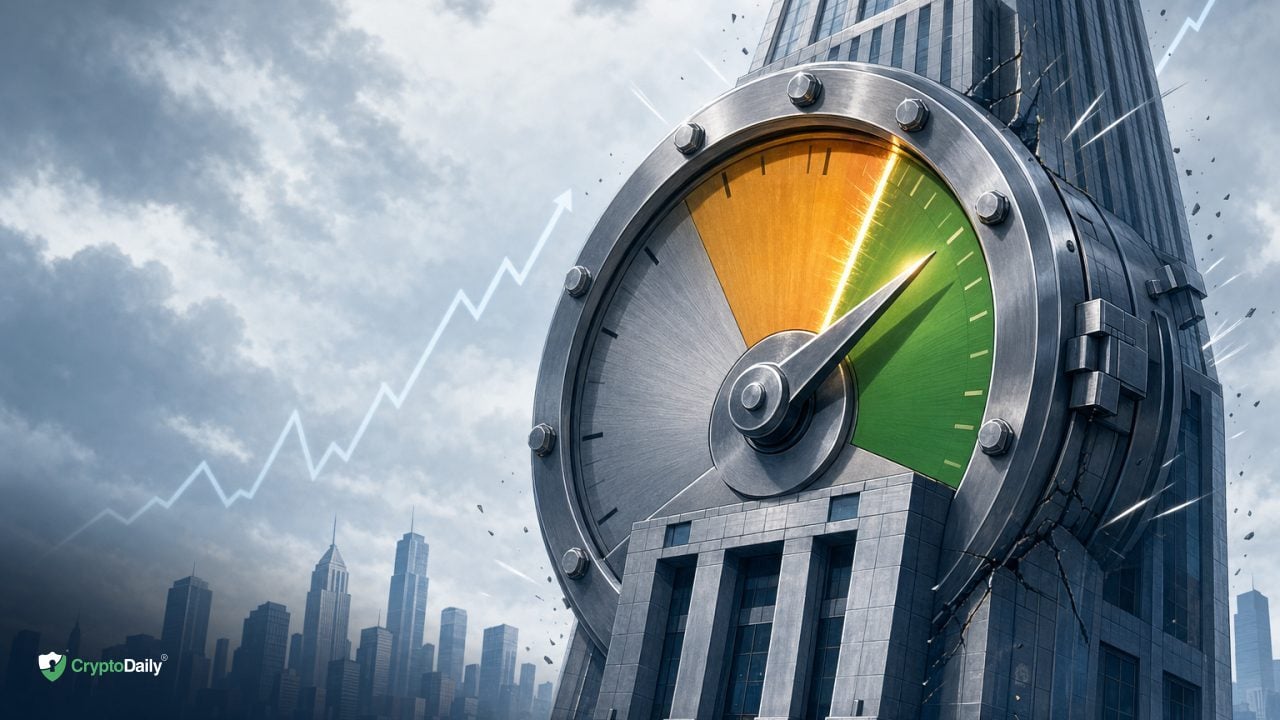
The Federal Reserve's latest meeting minutes show a clear shift: more officials now back raising interest rates, not cutting them. That hawkish stance throws cold water on earlier predictions that the central bank would start lowering rates in 2026. Instead, higher borrowing costs could stick around longer than many had hoped.
Why the Hawkish Tone Matters
The minutes, released Wednesday, detail a growing consensus among policymakers that inflation remains stubborn and the economy too hot for rate cuts anytime soon. Even as some analysts had penciled in a pivot to lower rates by 2026, the Fed's own discussions suggest that timeline is slipping. "Several participants" noted that further tightening might be needed if inflation doesn't cool, according to the summary. That language is a marked departure from the more dovish signals markets had been pricing in just weeks ago.
The shift matters because it directly affects how businesses and households plan for the future. Higher rates for longer mean mortgages, car loans, and corporate debt stay expensive. That could slow hiring, dampen consumer spending, and push any economic recovery further into the distance.
Impact on Growth and Investment
The Fed's tougher line ripples well beyond Wall Street. Geopolitical tensions — from the war in Ukraine to trade frictions with China — already cloud the outlook. Now, investors face a double bind: higher rates squeeze borrowing costs, while global instability makes risk-taking less appealing. The minutes acknowledge that "geopolitical risks" remain a source of uncertainty, though they offer no detailed prescriptions.
For portfolio managers, the takeaway is straightforward. The era of cheap money is over, and the timing of any pivot has shifted further out. Bond yields climbed after the release, and stock futures dipped. The Fed's stance also pressures the Treasury Department's debt management, as higher rates increase the cost of servicing the national debt.
Investors now turn their attention to the next Fed meeting in September. The minutes make clear that the debate inside the central bank is far from settled. Some officials still worry about overtightening, but the majority appears to lean toward more hikes. That leaves a key question unanswered: How high will rates go before the Fed stops?
The minutes do not provide a clear answer. What they do offer is a roadmap of the internal tug-of-war — and a warning that the low-rate era won't return soon. For now, markets will watch every data point on inflation and employment for clues about the next move.