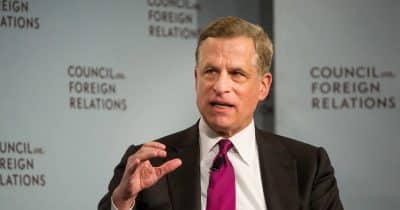
Federal Reserve Chairman Kevin Warsh has set up five task forces, initiating what could be a major shift in how the central bank operates. The move, announced this week, signals Warsh's intention to reshape the Fed's role in markets and its approach to inflation.
What the task forces will do
The five groups will focus on different areas of Fed policy, though their exact remits haven't been detailed. Warsh's decision to create them suggests he wants to rethink the tools the Fed uses to influence the economy. Each task force is expected to report back with recommendations, potentially leading to changes in how the central bank communicates its moves and conducts its operations.
Traders and investors are watching closely. The policy shifts could alter trading strategies across bonds, currencies, and stocks. If the Fed changes how it manages interest rates or its balance sheet, that will ripple through financial markets. The task forces may recommend new ways to signal future policy, which would affect how markets price in rate changes.
Inflation and the long view
Inflation management is a key area under review. Warsh's task forces could propose adjustments to the Fed's inflation target or the methods it uses to hit that target. While no specific changes have been proposed yet, the creation of the groups itself marks a step toward potentially redefining the Fed's long-term strategy. The central bank has struggled to keep inflation consistently at its 2% goal, and the task forces might explore new frameworks.
The task forces have no public deadline yet. Their recommendations could take months to emerge. What remains unclear is how much of a departure from current policy Warsh is aiming for. The markets will be parsing every hint from the Fed in the weeks ahead.