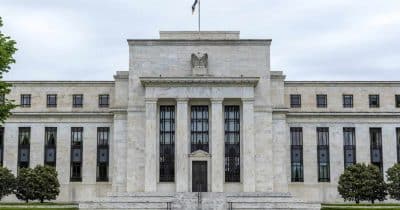
The US Federal Reserve plans to hold interest rates steady through 2026, citing persistent inflation as the reason for the prolonged pause. The decision signals that the central bank sees little room to ease monetary policy for the next several years, even as the economy faces headwinds.
Why the Fed is Holding Rates So Long
Persistent inflation has forced the Fed to keep borrowing costs elevated. Despite earlier hopes that price pressures would fade quickly, inflation has remained stubbornly above the central bank's 2% target. By holding rates at their current level through at least 2026, the Fed hopes to gradually squeeze inflation out of the system without needing to hike further. The strategy is a bet that patience, not more aggressive tightening, will do the job.
The timeline is unusually long. Most Fed rate pauses last months, not years. But the central bank's latest projections show that it expects inflation to stay elevated well into 2025, leaving little room to cut before 2026.
The Trade-Off for Economic Growth
Prolonged rate stability comes with costs. High borrowing costs tend to slow business investment and consumer spending, which are key drivers of economic growth. The Fed's own forecasts suggest growth will moderate over the next two years as the economy adjusts to sustained high rates.
Riskier assets also take a hit. When rates are high and expected to stay high, investors shift away from stocks, cryptocurrencies, and other speculative plays toward safer options like bonds. The Fed's decision could keep a lid on those markets for years, limiting the kind of investment that often fuels innovation and expansion.
The central bank is essentially choosing to sacrifice some near-term growth to ensure inflation is fully contained. Whether that trade-off pays off depends on how long the economy can withstand the pressure.
A Challenge for Future Policy Flexibility
Keeping rates steady through 2026 also creates a problem for the Fed itself. Monetary policy works best when the central bank has room to move — either up to cool an overheating economy or down to support a faltering one. A multiyear pause locks rates in place, leaving less flexibility to respond to unexpected shocks.
If a recession hits before 2026, the Fed would have limited room to cut. If inflation reaccelerates, it would have to break its own promise and hike again, which could spook markets. The long hold essentially ties the central bank's hands for several years, making every new piece of economic data more consequential.
The Fed's next policy meeting will provide the first formal update since this plan was disclosed. Investors and economists will watch closely for any hint that the timeline might shift, but for now the message is clear: rates are staying put for a long time.