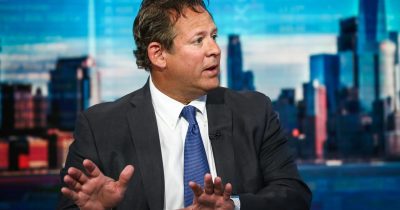
Federal Reserve official Barkin said the U.S. job market is in a weak balance, a condition that could push back the timing of interest rate hikes. His comments, reported this week, underscore how a softening labor market is complicating the central bank's fight against inflation.
A Labor Market in Delicate Balance
Barkin described the current state of hiring as neither strong enough to signal overheating nor weak enough to trigger alarm. That "weak balance" means employers are still adding jobs, but at a pace that suggests the economy is cooling. For the Fed, that's a problem. Rate hikes are meant to slow demand, but if the job market is already fragile, raising rates too aggressively could tip it into contraction.
The balance is also shifting expectations. Investors who had priced in a series of rate increases are now betting the Fed will hold off. The logic is simple: if hiring is soft, wage growth tends to follow, and that takes pressure off inflation. But it also means the Fed has less reason to act.
What a Delay Would Mean
A delayed rate hike isn't just a footnote in financial news. It changes the calculus for businesses and households. Borrowing costs stay lower for longer, which can support spending and investment. That's the upside. The downside is that inflation, which has proven stubborn, could re-accelerate if the economy gets too much stimulus.
Barkin's remarks suggest the Fed is weighing those risks carefully. He didn't offer a specific timeline, but the implication is clear: the central bank won't move until the job market shows clearer direction. That's a shift from earlier this year, when the priority was squarely on cooling prices.
For now, the weak balance argument gives the Fed cover to stay patient. But patience has its own costs. If inflation lingers above target while growth slows, the central bank could find itself stuck — unable to hike without hurting jobs, and unable to cut without fueling prices.
Watching the Next Data
The Fed's next policy decision will hinge on incoming employment reports and inflation figures. Barkin's assessment adds to a growing list of officials urging caution. Whether that caution turns into inaction depends on whether the job market stabilizes or slips further.
One thing is certain: the weak balance Barkin describes isn't a static condition. It's a moving target, and the Fed will have to react to it in real time. Until then, rate hike expectations will keep shifting with every jobs number.