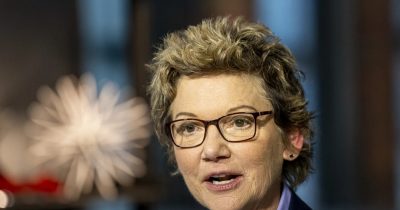
San Francisco Federal Reserve President Mary Daly said the labor market isn't pushing up inflation, a statement that could push back expectations for an early rate cut. Her remarks suggest the central bank may hold steady longer than some investors had hoped.
Daly's take on jobs and prices
Speaking publicly, Daly made clear that she sees no sign of the tight labor market feeding into higher wages or consumer prices. That's a key distinction: if jobs were driving inflation, the Fed would have a stronger reason to keep rates high. But Daly's view points the other way.
She described the current labor market as stable. Not overheating, not collapsing. That stability, she indicated, gives the Fed room to wait before making any policy moves. The central bank doesn't need to rush into a rate cut just because the job market is holding up.
Investors have been betting on rate cuts later this year. Daly's comments throw cold water on that timeline. If the labor market isn't the problem, the Fed can afford to keep rates where they are until inflation shows a clearer downward trend.
That doesn't mean cuts are off the table. It just means they're not imminent. Daly's message: the Fed will move when it's sure inflation is under control, not before. The stable labor market removes one reason to act quickly.
Inflation forecasts in the balance
Daly's assessment also affects how economists think about future inflation. If labor costs aren't rising sharply, the risk of a wage-price spiral fades. That could mean inflation continues to ease gradually, without the Fed needing to intervene aggressively.
But the picture isn't simple. Other factors — like energy prices or supply chains — could still push inflation up. Daly's focus on the labor market is just one piece of the puzzle. The Fed will weigh all of it before deciding on rates.
The next Fed meeting is weeks away. Until then, Daly's words will hang over market expectations. The question now: how long can the Fed wait before the data forces its hand?