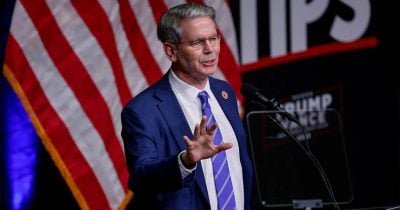
Daly, a Federal Reserve official, pointed to regulatory hurdles as a major obstacle to AI-driven productivity growth. The comments come as policymakers weigh how to foster innovation without stifling the technology's potential.
The regulatory barrier problem
Daly said current rules create a fragmented landscape that slows adoption. Startups face particular difficulties, she noted, as compliance costs pile up across different jurisdictions. Without clearer guidelines, companies may delay or abandon AI projects that could boost output.
The regulatory drag could ripple into broader economic forecasts. Productivity gains from AI have been a bright spot in projections, but Daly warned that barriers might temper those expectations. The Fed's own models factor in technology-driven efficiency improvements, but the path is uncertain.
Fragmented landscape for startups
Smaller firms are hit hardest. Unlike large corporations with dedicated legal teams, new entrants struggle to navigate overlapping state and federal rules. Daly's remarks highlight a tension: regulators want to protect consumers and workers, but the patchwork of requirements may choke the very innovation that could expand the economy.
One startup founder, speaking on condition of anonymity, said they spent months just to understand which rules applied to their AI tool. That time could have gone into product development. The experience is common, according to industry groups.
Economic forecast uncertainty
If regulatory barriers persist, the impact on growth projections could be significant. Daly suggested that the Fed may need to adjust its outlook if AI adoption slows. Productivity has been a key driver of potential GDP, and any shortfall would pressure the central bank's long-run estimates.
The Fed has been studying AI's effects on the labor market and inflation. But Daly's comments underscore that the regulatory environment—not just the technology itself—will shape the outcome. Policymakers in Washington are discussing AI legislation, but no consensus has emerged.
The debate over how to regulate AI without hampering growth is unlikely to resolve quickly. Daly's warning adds a central-bank voice to the conversation, one that carries weight in both financial markets and economic planning. The next steps will depend on whether lawmakers can craft rules that are both protective and permissive.