A top Federal Reserve official is raising the alarm that the rapid adoption of artificial intelligence could push prices higher over the next year, potentially forcing the central bank to raise interest rates again. Kevin Warsh, a former Fed governor who remains influential in policy circles, said AI-driven demand for computing power, data centers, and specialized hardware is already straining supply chains and could spill into broader consumer prices.
Why AI is a new inflation risk
Warsh pointed to the massive energy and infrastructure needs of AI systems. Training large language models and running real-time applications require huge amounts of electricity, cooling, and advanced chips. That surge in demand, he argued, is hitting an economy still adjusting from pandemic-era disruptions and tight labor markets. “The AI build-out is happening faster than most people realize, and it’s not just a tech story — it’s a macro story,” Warsh said in a recent interview. He warned that if companies pass those higher costs to customers, the Fed may have to step in.
What that means for interest rates
The Fed has held rates steady after a series of hikes that began in 2022. But Warsh’s comments suggest the central bank could reverse course if AI-related inflation proves persistent. He noted that the Fed’s own models may be underestimating how quickly AI adoption can boost demand. “We could see rate increases within the next 12 months if this trend accelerates,” he said. That would be a sharp turn from market expectations of cuts later this year.
Commodities and gold as a hedge
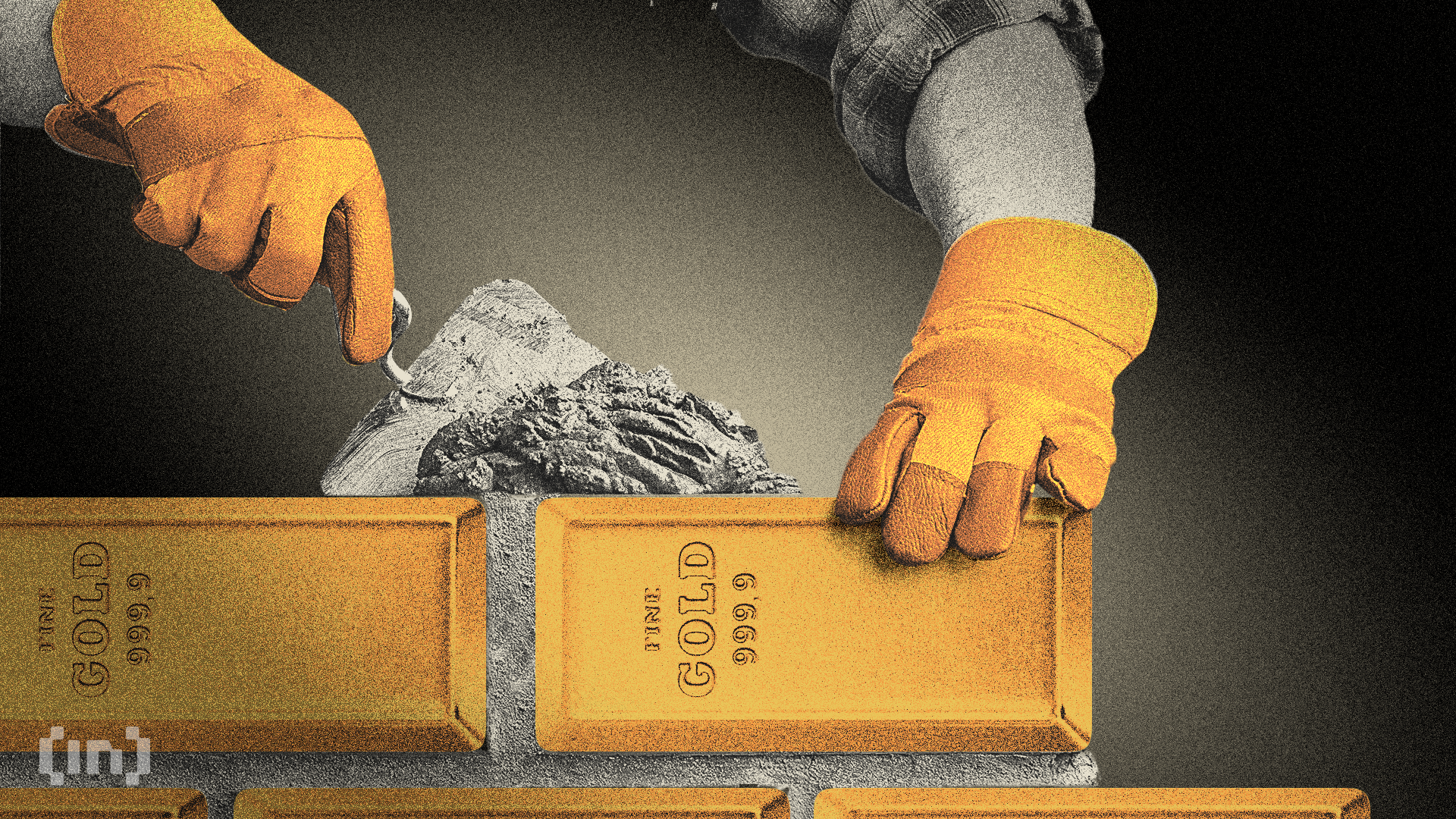
Warsh also highlighted the potential impact on commodity markets. Higher energy use from AI data centers could push up oil and natural gas prices, while demand for copper and other metals used in chips and wiring may rise. In that environment, he said, gold could serve as a hedge against AI-driven inflation. “Gold has historically been a store of value when inflation surprises to the upside,” Warsh said. Some investors are already rotating into the metal, though prices remain volatile.
What’s next
The Fed’s next policy meeting is in September, and Warsh’s warning adds a new variable to the debate. Economists will be watching producer price data and tech-sector capital spending for signs that AI is feeding into broader inflation. For now, the central bank is sticking with its data-dependent approach, but Warsh’s comments suggest the AI factor is one they can’t afford to ignore.