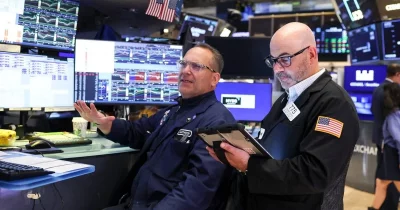
Federal Reserve Bank of New York President John Williams says the U.S. economy risks a demand shortfall if businesses and the government don't ramp up investment in artificial intelligence. In a speech delivered Tuesday, Williams argued that AI spending isn't just a tech-sector boost—it's becoming a pillar of overall economic stability.
The warning from Williams
Williams, a senior Fed official with a voting seat on the rate-setting committee, didn't mince words. He told an audience in New York that without sustained AI investment, domestic demand could weaken. That's a shift from the usual Fed focus on inflation and jobs. The central bank has been watching AI's impact on productivity, but Williams is now flagging the flip side: what happens if the money doesn't flow.
His remarks come as the White House and Congress debate how to regulate AI while encouraging private-sector spending. Some lawmakers worry about job displacement; Williams is worried about the opposite—not enough investment to keep the economy humming.
Why AI investment matters for demand
The logic Williams laid out is straightforward. AI tools can make factories, logistics, and services more efficient. That efficiency keeps prices competitive and wages growing, which in turn supports consumer spending. Without that investment, productivity gains slow, companies hire less, and consumers pull back. The result is a demand drag that could tip into recession.
Williams didn't offer specific dollar figures or a timeline. But his tone suggests the Fed is now factoring AI spending into its economic forecasts. If AI investment stalls, the central bank might see a weaker growth outlook that could influence rate decisions.
What's at stake for the broader economy
The warning carries weight because the U.S. is in a delicate moment. Inflation has eased but remains above the Fed's 2% target. The labor market is cooling, and consumer debt is rising. In that environment, a sudden drop in business investment—especially in a high-profile area like AI—could accelerate a downturn.
Williams specifically mentioned that the absence of AI investment “could lead to weakened demand and potential economic instability.” That phrasing is notable. The Fed rarely uses the word “instability” unless it sees a real risk.
Other Fed officials have been quieter on the AI-demand link. Williams is the first to put it front and center. His message seems aimed at both corporate executives and policymakers in Washington: don't treat AI as optional infrastructure.
The unresolved question
What Williams didn't say is whether the Fed itself would step in if AI investment falters. The central bank has limited tools to encourage specific kinds of capital spending. Rate cuts can help, but they're a blunt instrument. The question hanging over his speech is whether fiscal policy—tax incentives, grants, or direct government AI projects—will fill the gap. So far, no clear answer from the White House or Congress.