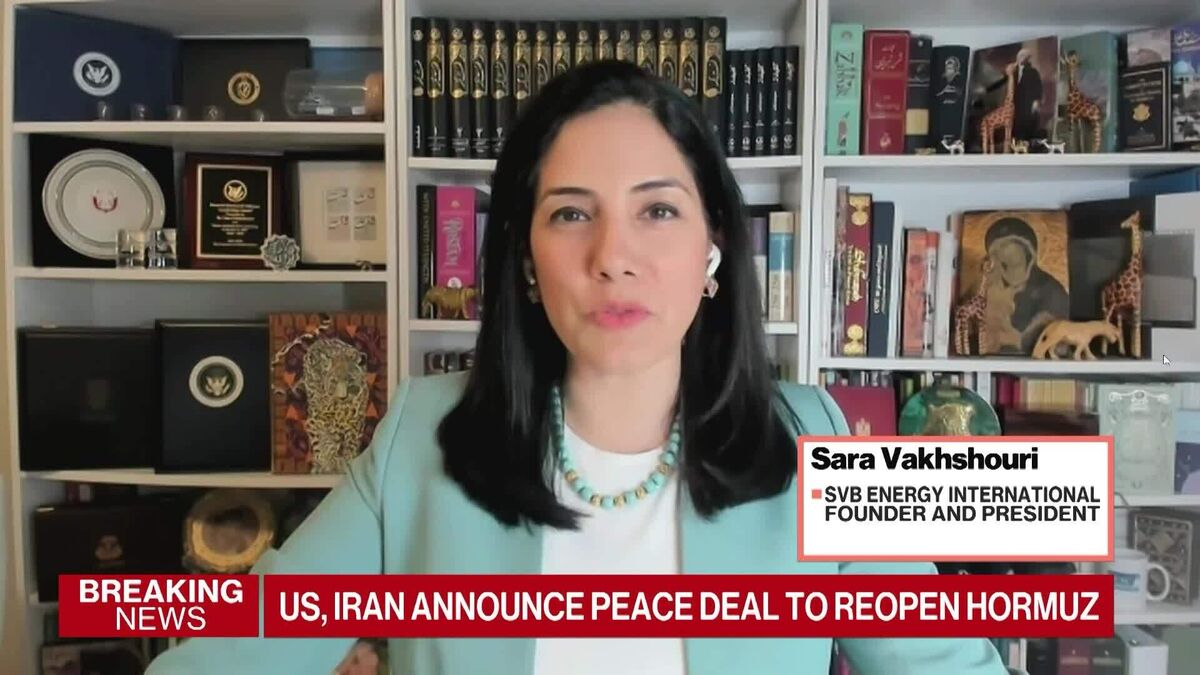
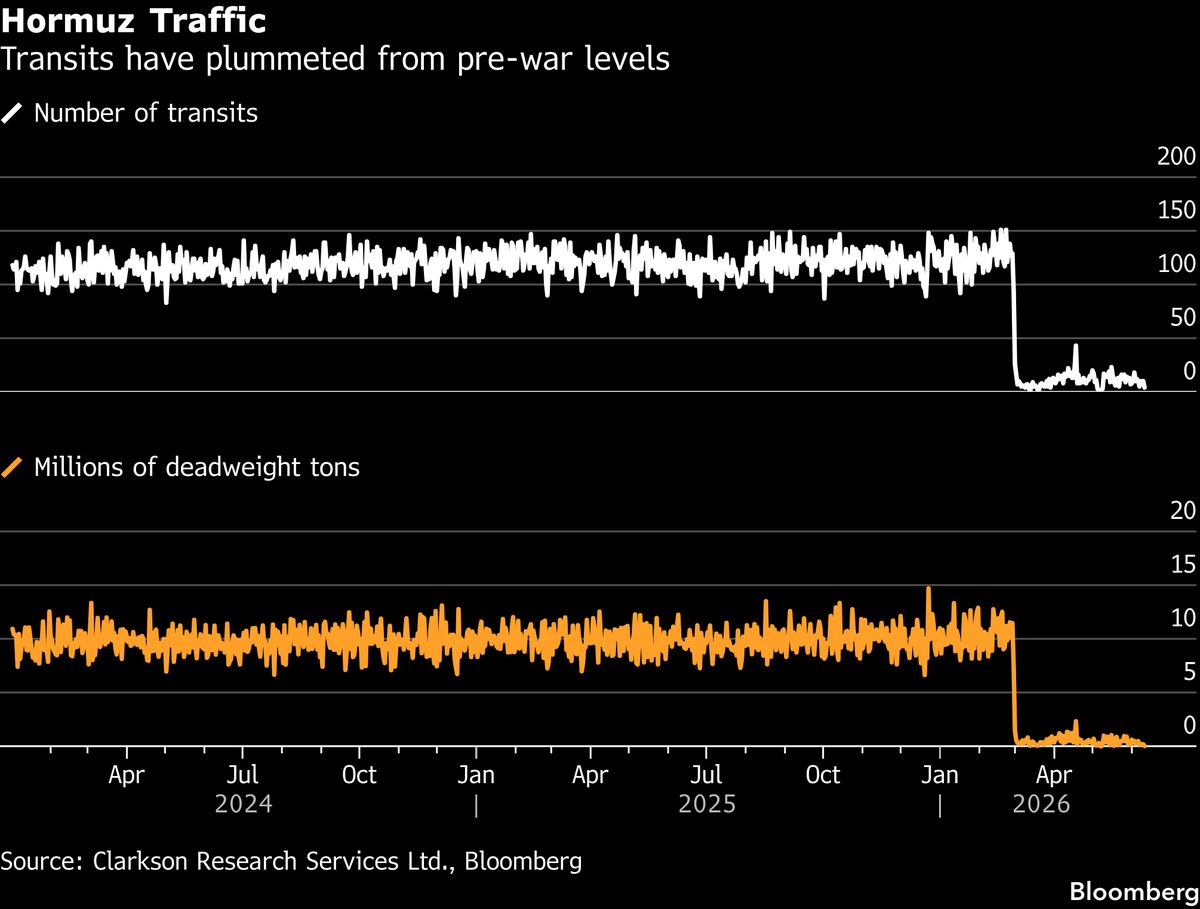
William Roebuck, former US Ambassador to Bahrain and now executive vice president at the Arab Gulf States Institute, told Bloomberg Monday the US-Iran conflict is entering a new stage focused on diplomacy to halt the war. Speaking on 'The Asia Trade' with Shery Ahn and Haidi Stroud Watts, Roebuck’s assessment arrives as crypto markets remain gripped by extreme fear — a state the industry hasn't seen since the depths of 2022's macro rout.
Why the diplomatic shift matters for crypto
A de-escalation in the Middle East removes one layer of geopolitical risk premium that had been baked into digital asset prices. But the market is currently priced for a different set of headwinds — chiefly Fed rate expectations and a liquidity crunch. The diplomatic signal addresses maybe 15-20% of the downside drivers that have pushed sentiment to the floor. It won't, by itself, flip the macro mood.
📊 Market Data Snapshot
What the data says about market mood
Extreme fear is the dominant label right now. Most futures traders are positioned short, and volume is suppressed — a sign that conviction in any rally is weak. The market's reaction to positive geopolitical news has been muted, which tells you where the real stress is: the Fed, not the Strait of Hormuz. For traders, a short squeeze above $66,000 remains possible if macro data weakens, but the low volume signal suggests any pop would be capped.
Gulf funds and the hidden accumulation
One angle most coverage misses: Gulf sovereign wealth funds are quietly accumulating Bitcoin through OTC channels as diplomatic progress accelerates. But current extreme fear is delaying public allocations. These funds control trillions in assets and typically deploy capital during geopolitical stability. Their hidden accumulation could turn into a massive institutional rally once macro conditions improve — but there's a 4- to 6-week lag between diplomatic signals and actual fund deployment. That lag means the market won't feel the effect immediately.
The miner angle that could backfire
Another underreported consequence: Iran is home to about 4.2% of global Bitcoin hashrate. If sanctions relief follows the diplomatic track, Iranian miners could flood the market with cheap hashrate, suppressing mining revenue by an estimated 12-15%. That would accelerate the mining capitulation wave already underway, as many miners operate at a loss. Hash rate volatility affects network security and futures basis curves — something retail traders rarely watch but professional desks track closely.
The immediate test isn't Tehran — it's the next round of US economic data. A soft PPI print later this week could amplify the diplomatic relief into a short squeeze. Failed diplomacy would just confirm the bear case. For now, the market is watching whether this diplomatic track holds long enough to shift Washington's bandwidth from war rooms to election-season crypto regulation. That's the second-order risk: reduced conflict gives regulators political cover to tighten rules without destabilizing global markets.