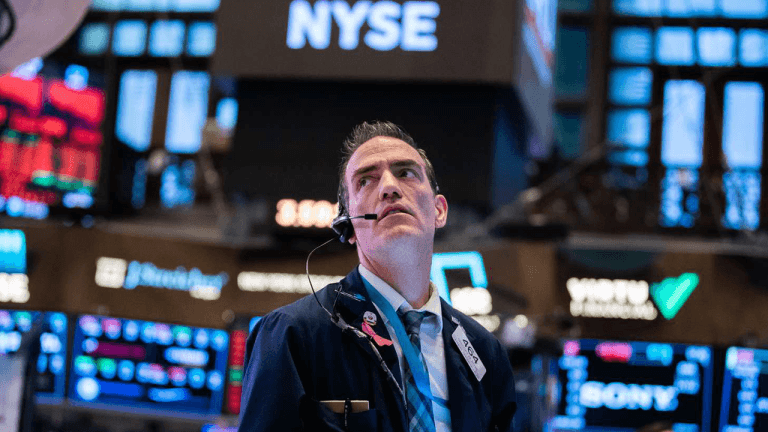
Fox has struck a $22 billion deal to buy Roku, marking one of the biggest media mergers in years. The acquisition brings together a traditional broadcast network with a leading streaming platform, and it's expected to accelerate the shift of advertising dollars from linear TV to digital. The deal, announced Monday, will likely face close scrutiny from regulators concerned about further consolidation in the media industry.
Why the deal matters for advertisers
Roku’s platform reaches tens of millions of households that have cut the cord. By owning both content distribution and a hardware ecosystem, Fox can target viewers more precisely than it could through cable bundles. Advertisers have been moving money into connected TV for years — this deal could speed that up. Fox already sells ad inventory across its sports, news, and entertainment channels. Now it will combine that with Roku’s data on what users actually watch, when, and for how long.
The combined entity will control a significant share of premium ad slots on streaming. That could give it pricing power, but it also raises questions about competition. Smaller networks and streaming services may find it harder to compete for the same ad dollars if Fox can offer one-stop shopping with audience guarantees that others can’t match.
Streaming’s competitive landscape gets more crowded
Roku currently operates as a neutral gateway to hundreds of streaming apps, from Netflix to Disney+ to Peacock. Once it’s owned by Fox, rivals will have to decide whether to stay on a platform controlled by a competitor. The same dynamic played out when Comcast bought NBCUniversal and later launched Peacock — some channels pulled their content, others negotiated tougher terms.
The deal also puts Fox in direct competition with Amazon and Google, which run their own streaming platforms and ad systems. Unlike those tech giants, Fox is primarily a content company. That means it can bundle original programming from its networks like Fox Sports, Fox News, and the Fox broadcast channel with Roku’s hardware and software ecosystem. The result could be a vertically integrated service that’s harder for pure-play streamers to match.
Regulatory hurdles ahead
The $22 billion price tag alone signals how big this deal is. But regulators in Washington have been taking a harder line on media consolidation. The Justice Department and the Federal Communications Commission will both likely review the acquisition. Antitrust officials have recently challenged mergers that reduce competition in advertising markets or give one company control over both content and distribution.
Fox and Roku will argue that the streaming market is already crowded with powerful players like Netflix, Amazon, YouTube, and Apple. They’ll say the combination allows a traditional broadcaster to compete more effectively against Big Tech. Critics will counter that it concentrates too much influence over which shows get marketed and how ad prices are set. The outcome is far from certain.
For now, Fox and Roku are expected to operate separately until regulators sign off. The companies haven’t set a closing date, but the review process could take a year or more. What happens to Roku’s existing partnerships with other media companies will be one of the first things competitors watch closely.