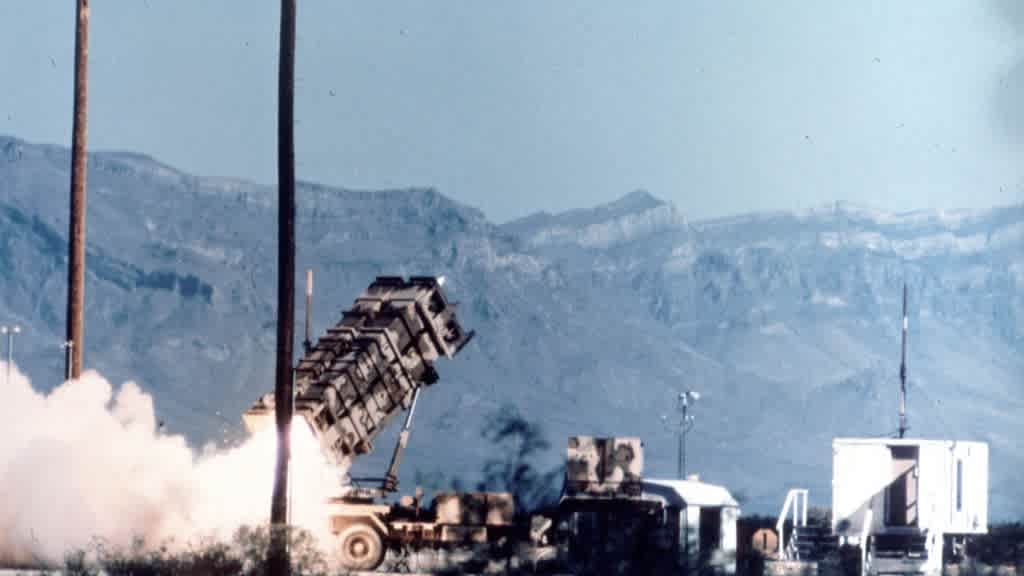
Germany has secured more than €800 billion in corporate investment pledges, with the commitments concentrated in defense, artificial intelligence and semiconductor manufacturing. The pledges are part of a push to strengthen the country's technological independence and economic resilience as global tensions reshape supply chains and security priorities.
Where the money is going
The commitments span three sectors the government has identified as critical: defense, AI and chips. Defense pledges cover the production of military equipment and related systems. AI investments target research, infrastructure and commercial applications. Chip commitments focus on expanding semiconductor fabrication and design capacity within Germany. The government hasn't disclosed a detailed breakdown of how the €800 billion divides across the three areas, nor has it named the companies behind every pledge.
A push for technological independence
The investment drive is aimed at reducing Germany's reliance on foreign suppliers for technologies deemed essential to national security and economic stability. In defense, that means building up domestic production capacity. In AI, it means funding research and infrastructure that can compete globally. In chips, it means expanding semiconductor manufacturing within Germany's borders. The government frames the pledges as a way to insulate the economy from disruptions caused by geopolitical tensions, though it hasn't specified which tensions it's most concerned about.
Economic resilience as the goal
German officials have tied the investment pledges to a broader strategy of economic resilience. The idea is that by anchoring production of defense equipment, AI systems and semiconductors at home, Germany can better withstand shocks to global trade and security. The €800 billion figure represents corporate commitments, not government spending, though the government has been actively courting these investments. It's unclear how much of the total is new money versus previously announced projects.
What's still missing
Details remain thin. The government hasn't published a full list of participating companies, a timeline for when the investments will be made, or how it will track whether the pledges translate into actual spending. The €800 billion figure is a headline number that aggregates commitments across sectors, but without a breakdown, it's hard to assess how much is binding. Officials have also not said whether the pledges come with conditions or incentives.
The next step is for the government to provide a sector-by-sector accounting of the pledges and to name the companies involved. Until then, the €800 billion remains a total without a public ledger.