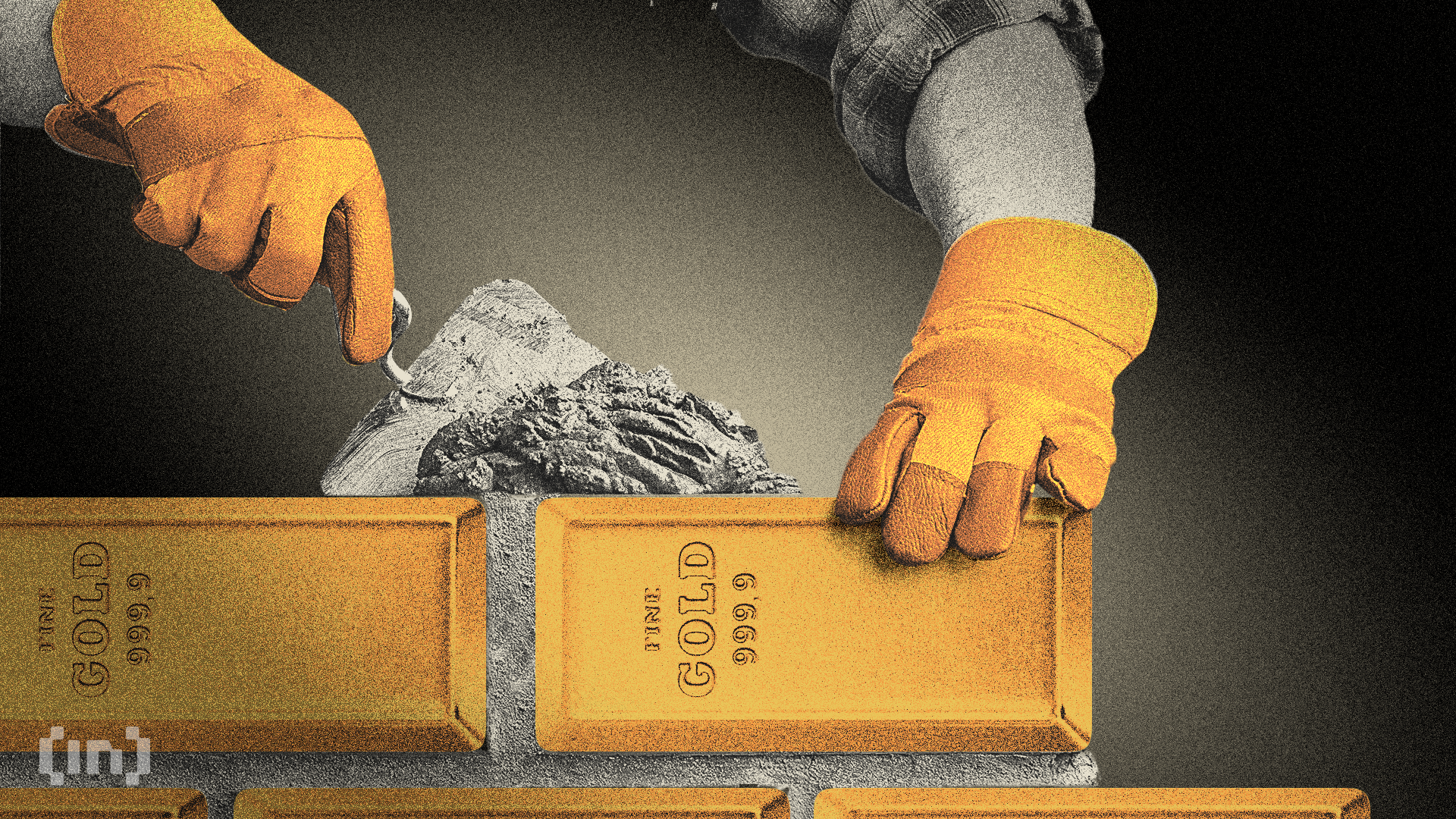
Gold has surpassed US Treasuries as the world's leading reserve asset, a quiet but significant reshuffling of how governments store their wealth. The shift points to deepening global economic uncertainty and a potential reassessment of America's financial stability.
A quiet reshuffling of reserves
For decades, US government bonds were the default parking spot for national reserves. That's no longer the case. Central banks have now piled more of their holdings into gold than into Treasuries, ending a long run at the top for American debt.
The change didn't come with a headline announcement. It built up over time, quarter by quarter, as reserve managers quietly moved money out of dollar-denominated paper and into bullion. Gold doesn't pay interest, doesn't carry a sovereign's promise behind it. But it also doesn't depend on the fiscal health of any single government.
What the move says about the US
The timing matters. Reserves are managed with a long horizon and a low tolerance for surprises. When the world's money managers start favoring a lump of metal over the full faith and credit of the US government, they're making a statement about where they see risk.
That statement is uncomfortable for Washington. Treasuries have long been treated as the risk-free benchmark — the asset every other price in the global financial system is measured against. A shift away from them suggests that status is no longer assumed. It opens the door to a broader reevaluation of US financial stability, one that could ripple through borrowing costs and the dollar's standing.
Uncertainty as the driving force
Gold tends to thrive when the outlook gets murky. It's a hedge, a store of value that holds up when currencies wobble, when inflation surprises, or when geopolitical tensions flare. The fact that it's now the top reserve asset is a signal that the world's money managers expect more turbulence, not less.
There's no single trigger in the data — no one event that flipped the ranking. The move reflects a slow accumulation of anxiety: about debt levels, about policy direction, about how reliably the US can honor its obligations in a less predictable world.
The strain on Treasuries
For the US, the implications are double-edged. A weaker bid for Treasuries from official buyers means the government has to lean more on other investors to fund its borrowing. That can push yields higher and make debt service more expensive over time.
It also chips away at a quieter advantage. The special status of Treasuries — the idea that the world will always buy them, no matter what — has let the US borrow cheaply for years. That privilege doesn't disappear overnight, but it erodes. And once it starts eroding, it's hard to put back.
The question now is whether this marks a lasting realignment or a temporary wobble. Reserve allocations move slowly, but they rarely reverse on a whim. If the trend continues, the dollar's role as the world's anchor currency faces a test it hasn't really seen in generations.