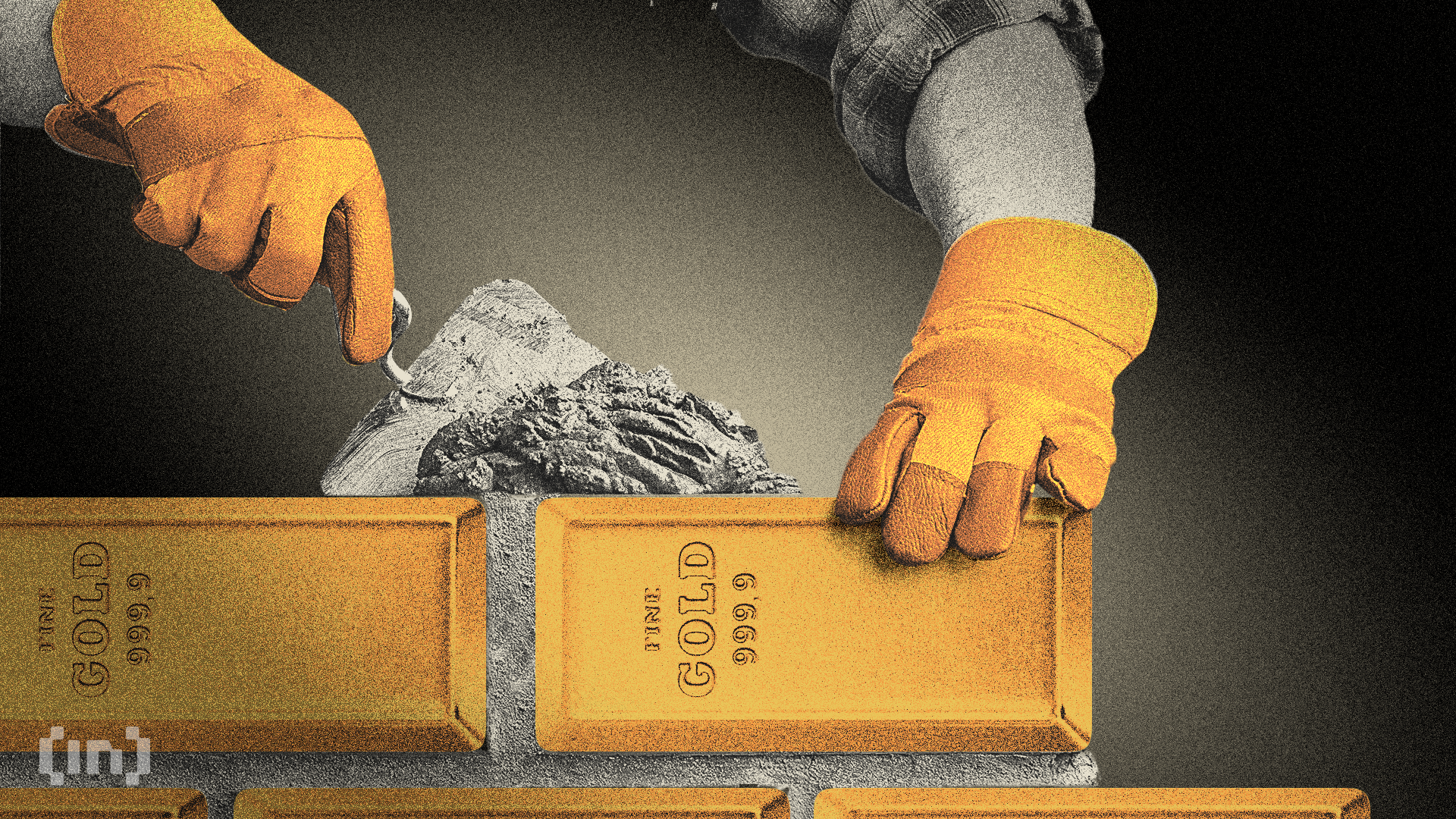
Gold is sliding back toward $4,300 an ounce, and the reason is simple: traders can't get a clear read on the Federal Reserve's rate-hike path. The metal's recent swings are a direct reflection of that uncertainty, and the fallout is showing up in how investors build their portfolios and how they judge the economy's stability.
Why gold is losing its footing
The pullback isn't a crash, but it's steady. Gold has been drifting lower as the market leans toward the idea that the Fed isn't finished raising rates. Higher rates are bad for gold because the metal pays no interest, so when yields on bonds and cash climb, gold's appeal fades. Every hint that the Fed might push rates further has been enough to knock the price down a notch.
But it's not a one-way street. Any suggestion that the Fed could slow down or pause has sparked quick rebounds. That back-and-forth is what's driving the volatility. Traders are essentially trying to price in a Fed that keeps changing its mind, and gold is bearing the brunt of that indecision.
What the swings mean for investors
The volatility is forcing investors to rethink their gold positions. Some are cutting back to avoid getting caught on the wrong side of a move, while others see the dip as a buying opportunity. The result is a market that's more reactive than usual, with prices moving on headlines rather than fundamentals.
That's having a broader effect on investment strategies. Gold is often used as a hedge against inflation or economic trouble, but when it's this jumpy, it becomes harder to rely on. Investors are having to decide whether the metal still serves its purpose in their portfolios, or whether they need to look elsewhere for stability.
The stability question
Gold's traditional role as a safe haven is being tested. When the price swings this much, it stops feeling like a reliable store of value. That's feeding into a wider sense of unease about economic stability. If even gold can't hold steady, the thinking goes, what can?
That perception matters beyond the gold market. It influences how investors view risk across the board, from stocks to bonds to currencies. And it can shape decisions by companies and households about spending and saving. The uncertainty over the Fed's rate path isn't just a gold story — it's a signal about the broader economic mood.
Where gold goes from here
The next move in gold will likely hinge on the Fed's next policy statement. Traders are looking for any clarity on whether the central bank plans to keep hiking or is ready to pause. Until that comes, gold is probably going to stay volatile, with the $4,300 level acting as a key marker.
If gold holds above that line, it could signal that the selling pressure is easing. A break below might open the door to further declines. Either way, the market's attention is fixed on the Fed, and gold is just the most visible casualty of the uncertainty.