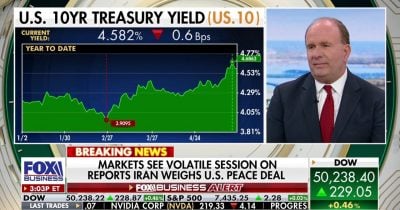
Goldman Sachs has lowered its Brent crude oil price forecast, pinning the move on the US-Iran peace deal. The bank sees the agreement as a step toward more stable oil markets, one that could strip away a chunk of the geopolitical risk premium that had kept prices elevated.
Why the price target changed
The revision is not about supply and demand fundamentals, at least not directly. It's about the risk that traders had been pricing into crude — the chance of a wider conflict in the Middle East that could disrupt shipments through the Strait of Hormuz or hit Iranian production. The peace deal, announced this week, reduces that probability. In the bank's view, that means the risk premium should shrink, and with it the price of Brent.
Goldman didn't specify a new target figure. But the cut signals a clear shift in its outlook. For months, the bank had maintained a relatively bullish stance on oil, citing tight supply and robust demand. The peace deal changes that.
What the peace deal means for oil markets
The US-Iran agreement is a broad diplomatic accord that covers nuclear activities, sanctions relief, and regional security. For oil markets, the most immediate effect is psychological. Traders have long worried that a miscalculation between Washington and Tehran — a stray drone, a tanker incident, a cyberattack — could escalate into open conflict. That fear had added a few dollars to every barrel.
With the deal in place, that fear fades. Not entirely, but enough for Goldman to adjust its models. The bank now expects Brent to trade in a lower range, reflecting a more stable geopolitical backdrop. Whether that stability holds depends on implementation, but for now the market is breathing easier.
Broader economic implications
Cheaper oil is a mixed blessing. Producers see their revenues squeezed, but consumers — especially in import-dependent economies — get a break. Lower crude prices can reduce inflation pressures, giving central banks more room to ease policy. That's the positive side.
There's also a potential downside, one the facts don't fully spell out but that analysts are watching. If the peace deal leads to the return of Iranian oil to global markets — Tehran has been under strict export limits — supply could increase, pushing prices even lower. Goldman's cut may be a first step in pricing in that scenario.
For now, the bank's call is a bet on diplomacy over disruption. The next few months will test whether that bet pays off. The market will be watching how quickly Iranian crude flows back, and whether the deal's terms hold on the ground.