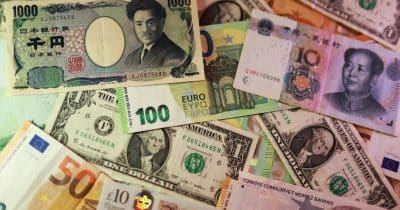
The British pound is the most overvalued currency among the G10, according to Goldman Sachs, a warning that could spell trouble for UK equities and the returns international investors get from their British holdings. The bank's assessment points to downward pressure on sterling, which could drag on the FTSE 100 and cut into profits for overseas shareholders.
Why the pound's overvaluation matters
Goldman Sachs didn't specify exactly how far above fair value the pound sits, but labeling any currency the most expensive in the G10 club carries weight. Currencies that are overvalued tend to weaken over time as markets adjust. For British assets, that means a potential headwind. International investors who bought UK stocks when the pound was cheaper would see the value of their holdings fall in dollar or euro terms if sterling slides. Even domestic companies that report profits in pounds face a tougher export environment when their currency is too strong.
Impact on UK equities and international returns
The overvaluation directly threatens UK equities, Goldman Sachs said. A weaker pound would make British goods cheaper abroad, helping exporters, but the immediate effect for many listed companies is a drag on share prices. Foreign investors, who own a large chunk of London-listed stocks, are especially exposed. If sterling drops, they could sell off British shares to avoid currency losses, adding to downward pressure on the market. The bank also warned that the overvaluation could eat into the returns international investors expect from their UK portfolios.
What comes next for sterling
Markets haven't priced in a sharp move yet. The Bank of England is expected to keep interest rates where they are for now, which might support the pound in the short term. But Goldman Sachs sees the overvaluation as a structural issue. If the economy slows or political uncertainty rises, the correction could accelerate. Traders will be watching the next round of economic data and any policy signals from the BoE. The question now is whether the pound will slide gradually or in a sudden lurch, and how far it could fall before buyers step in.